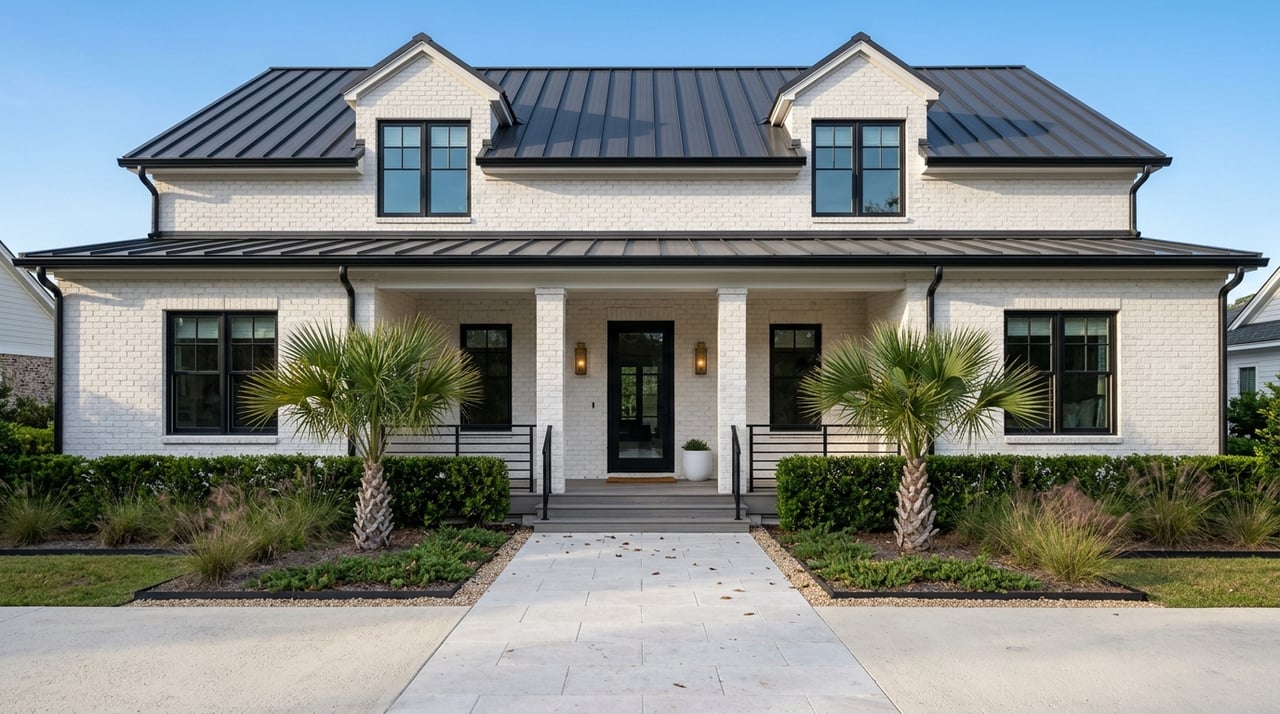
How to Design a Low Maintenance North Carolina Beach Home
May 7, 2026
May 7, 2026
If you have ever dreamed about a North Carolina beach home, you already know the appeal. What many buyers learn later is that coastal beauty comes with a tougher design brief, from salt air and humidity to wind, erosion, and flood exposure. The good news is that a low-maintenance beach house is absolutely possible when you plan for the coast from the start. Let’s dive in.
A beach home on the North Carolina coast deals with more than sun and sand. The North Carolina Department of Environmental Quality notes that oceanfront properties face shifting shorelines, erosion, storms, and daily wind, wave, and tide forces.
That matters because low maintenance is not just about picking pretty finishes. It starts with smart site placement, durable materials, and details that help your home shed moisture, resist corrosion, and stay easier to clean over time.
On the North Carolina coast, site planning matters as much as the house itself. NC DEQ says oceanfront setbacks are measured from the first line of stable, natural vegetation, and those setbacks are determined case by case by a state or local Coastal Management representative.
It is also important to know that setbacks reduce risk, but do not remove it. NC DEQ also notes that erosion rates are reevaluated about every five years, so current lot-specific information matters more than assumptions based on older neighboring homes.
If you are building, rebuilding, or making major changes to an oceanfront property, local coastal review may be required before work begins. In some cases, that includes CAMA-related permitting.
For buyers, this is a practical reminder. A beautiful homesite is only part of the story. You also want to understand how local rules may shape where and how a home can be built.
A low-maintenance exterior is usually a simple one. At the coast, every extra seam, decorative projection, or hard-to-reach detail can create another place for salt, moisture, and debris to collect.
That is why durable, clean-lined selections often perform better over time. The goal is not plain design. It is thoughtful design that looks polished while asking less of you year after year.
Salt spray and humid coastal air can speed up corrosion, especially on metal connectors and fasteners. FEMA recommends stainless steel or similar corrosion-resistant protection in high-salt-spray areas.
This is one of the smartest places to invest upfront. Hardware may not be the most visible part of the home, but it supports long-term durability in a coastal setting.
For lower areas that may face flood exposure, FEMA says structural and non-structural materials at or below the Base Flood Elevation must be flood resistant. Current examples include concrete, brick, metal, stone, concrete block, cement board, ceramic and clay tile, vinyl, rubber tile, pressure-treated or decay-resistant lumber, cold-formed steel, reinforced concrete, terrazzo, and closed-cell foam insulation.
In practical terms, these materials tend to make coastal living easier. They are generally better suited to cleaning, drying, and replacement after exposure to water than more delicate finish choices.
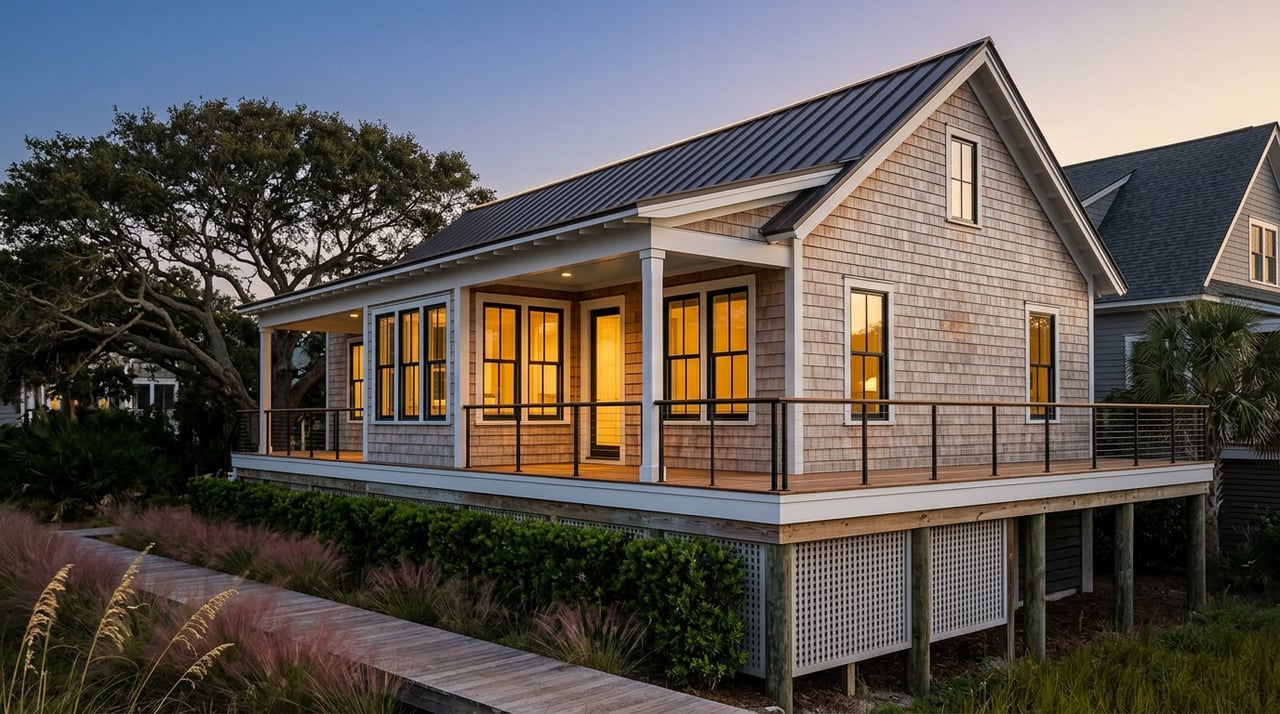
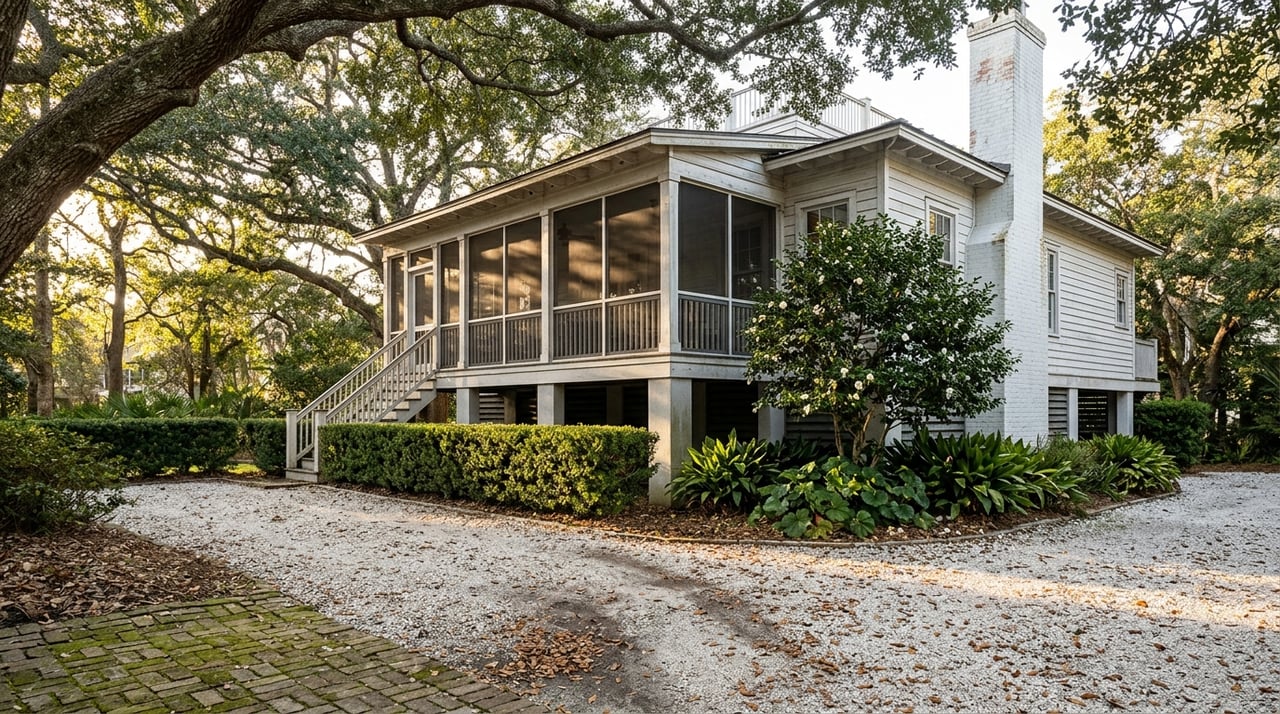
Many North Carolina beach homes are elevated, and the area below the main living space needs careful planning. In Coastal High Hazard Areas, FEMA says the space below an elevated building should be free of obstruction or built with non-supporting breakaway walls, open lattice, or insect screening that can collapse without damaging the structure above.
Enclosed areas below the Base Flood Elevation are generally limited to access, parking, and storage. This means the lower level should be designed for practical use, not treated like bonus living space if the zone does not allow it.
Mechanical systems matter just as much as finish materials. FEMA says HVAC systems in new construction or substantial improvement in Special Flood Hazard Areas must be elevated above the Base Flood Elevation or designed so floodwaters cannot enter.
FEMA also says ductwork below the Base Flood Elevation should be avoided in Zone V and Coastal A Zones. If you want fewer maintenance headaches later, keeping critical systems protected is one of the most important design choices you can make.
A beach house can still feel elevated and well designed without being fragile. In fact, the most successful coastal interiors often balance warmth and style with materials that are easy to wipe down, wash, and live with.
That balance matters even more if the property is a second home, a vacation property, or a place where guests come and go often. You want rooms that look polished but do not require constant attention.
Moisture control is the foundation of a low-maintenance interior. EPA guidance says wet or damp materials should be dried within 24 to 48 hours, and indoor humidity should stay below 60% if possible, ideally between 30% and 50%.
Bathrooms, laundry areas, and cooking spaces should be vented to the outside or managed with fans, air conditioning, or dehumidifiers. EPA also advises fixing condensation quickly because it can signal high indoor humidity.
If your goal is easier upkeep, carpet is usually not the simplest choice for damp or sand-prone areas. EPA notes that hidden mold can form under carpets and pads, inside wall materials, behind wallpaper, and behind furniture where condensation forms.
That is why hard flooring and washable textiles often make more sense in a coastal home. They support a cleaner, more resilient daily routine without giving up comfort.
At the coast, low-maintenance furniture is usually easy to wipe down, easy to move, and not overly delicate. Pieces that depend on fragile finishes or rust-prone hardware may require more upkeep in damp, salty air.
A well-designed beach interior does not need to feel casual or temporary. It simply benefits from materials and furnishings that can handle frequent cleaning, occasional moisture, and everyday use.
One of the most practical features in a beach home is a wet entry or drop zone. This gives you a dedicated place for towels, shoes, bags, and beach gear before moisture and sand move through the rest of the house.
It is a simple idea, but it makes daily living much easier. It also supports the broader goal of keeping damp materials from lingering indoors.
Low maintenance does not stop at the walls. NC State Extension advises keeping mulch off the foundation, keeping siding at least 6 inches above grade, avoiding coverage of foundation vents, and pruning shrubs back so airflow and inspection access stay open.
That guidance is especially useful on the coast. A visible, dry, and easy-to-inspect base can help you stay ahead of moisture and termite concerns before they become larger problems.
Landscaping can either support a low-maintenance beach lifestyle or work against it. North Carolina Sea Grant recommends native plants adapted to the coast’s strong sun, wind, dry sandy soil, and salty air and water.
These choices are noted as cost-efficient, environmentally beneficial, and more maintainable. For many homeowners, that means a better long-term fit than plants that need heavier watering, more protection, or constant replacement.
A polished coastal landscape does not have to be complicated. Plants suited to local conditions are often better able to handle the setting with less intervention.
That can help you create outdoor spaces that feel intentional and attractive without turning routine upkeep into a second job.
A low-maintenance North Carolina beach home is not a home that never needs attention. It is a home designed to handle coastal conditions more gracefully.
That usually means focusing on a few clear priorities:
When these choices work together, your home can feel both elevated and practical. You get a coastal property that supports the lifestyle you want, with fewer avoidable maintenance surprises along the way.
If you are thinking about buying, building, or evaluating a coastal property in North Carolina, thoughtful guidance matters. For a design-minded, strategic real estate perspective, connect with Michelle Mundra.
Looking to buy, sell, or invest in real estate? We're here to make your dreams a reality! Whether it's finding your perfect home, securing a lucrative investment property, or selling your current one, our dedicated team is ready to guide you every step of the way. Reach out to us today to start your journey towards your real estate goals!