Everyday Life In Wake Forest’s Established Neighborhoods
June 25, 2026
June 25, 2026
If you are drawn to neighborhoods with mature trees, established streets, and a sense of place that feels grounded rather than manufactured, Wake Forest likely stands out for good reason. Its older neighborhoods offer a daily rhythm shaped by historic character, outdoor access, and a downtown that stays active well beyond the workweek. If you are trying to picture what life actually feels like here, this guide will walk you through the routines, amenities, and community patterns that define Wake Forest’s established areas. Let’s dive in.
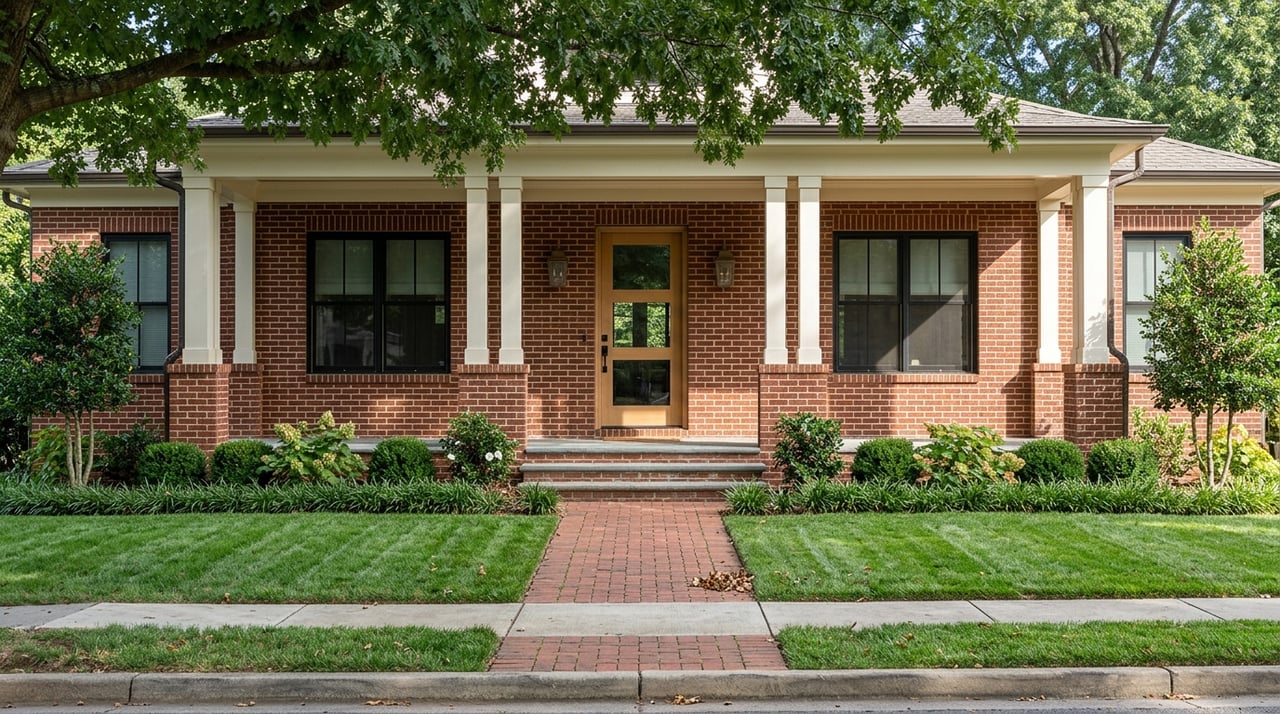
Wake Forest is a midsized town in Wake County with about 56,000 residents, and its established neighborhoods are closely tied to the historic core. The town notes that North Main Street, formerly Faculty Avenue, is its earliest residential avenue and features examples of American architectural styles dating from 1820 to 1956. That long architectural timeline gives parts of town a layered, lived-in feel that you can sense simply by driving or walking through the area.
The town also has a local historic district established in 1979, along with three National Register districts: the Wake Forest Historic District, the Glen Royall Mill Village Historic District, and the Downtown Wake Forest Historic District. In practical terms, this means many of the older neighborhoods are connected to preserved streetscapes and longstanding residential patterns rather than newer subdivision layouts. For buyers who value character and continuity, that can shape the day-to-day experience in a meaningful way.
Wake Forest’s Historic Preservation Commission supports district signage, pedestrian lighting, walking-tour materials, and public workshops. That ongoing stewardship matters because it helps these neighborhoods function as active residential areas, not just historic landmarks. You get a sense of continuity without losing the comfort of a town that still invests in how people move through and enjoy these spaces.
In Wake Forest’s established neighborhoods, everyday life often feels more connected to the town itself. Rather than living in a pocket that exists apart from everything else, you are often closer to a recognizable downtown, older street patterns, and public spaces that have become part of local routines over time. That can make a simple coffee run, walk, or evening outing feel a little more integrated into your week.
The town’s broader profile also supports that sense of stability. According to the 2022 ACS profile cited in the Wake Forest snapshot, 73.49% of housing is owner-occupied. Combined with the town’s commuting access to Raleigh, RTP, Durham, and RDU, the result is a community that blends residential consistency with regional convenience.
For many households, that balance is a major part of the appeal. You can enjoy a quieter residential setting while still staying connected to work hubs across the Triangle. Wake Forest sits about 25 miles from RDU, around 30 minutes from RTP, 35 minutes from downtown Raleigh, and 20 minutes from Durham.
One of the strongest lifestyle advantages in Wake Forest is how easy it is to build outdoor time into an ordinary day. The Parks, Recreation & Cultural Resources Department manages 561 acres of parks, open space, natural land, and trails. The town’s greenway system totals 15.5 miles, and it is treated as part of the transportation network, not only as recreation.
That distinction matters more than it may seem at first glance. In an established area, outdoor amenities tend to work best when they are woven into how residents actually move around town. Wake Forest’s greenways and parks support that kind of practical use, whether you are fitting in a morning walk, heading downtown, or looking for an easy weekend routine.
E. Carroll Joyner Park is a major part of local life. At 117 acres, it is the town’s newest and largest park, with three miles of paved walking trails, gardens, an amphitheater, and historic structures. For many residents, it serves as an easy answer to the question of where to walk, unwind, or meet up without much planning.
The park also includes the Joyner Park Community Center, which offers a walking track, gym, multipurpose rooms, a dance studio, and a kitchen. That gives the space year-round usefulness beyond its trails and open lawns. On a practical level, it supports routines that can include both outdoor recreation and indoor programming in one location.
Wake Forest’s trail network adds another layer to daily life. Dunn Creek Greenway connects to downtown and nearby neighborhoods such as Deacons Ridge and Cardinal Park. Smith Creek Greenway links to Raleigh’s Neuse River Greenway Trail, creating broader neighborhood-to-neighborhood access.
For buyers considering established areas, this kind of connectivity can be a quiet but important advantage. It supports a lifestyle where a walk or bike ride can take on more purpose than simply circling the block. Over time, those options can make a neighborhood feel more usable and more connected.
Wake Forest’s park system also supports a range of household needs. Kiwanis Park, located next to the Wake Forest Public Library, includes a playground, picnic shelter, and paved trail in a compact one-acre setting. It is the kind of nearby public space that can easily become part of a weekly routine.
The Wake Forest Center for Active Aging adds another practical layer for adults 55 and older, with classes and social activities offered on a full schedule. That range of amenities helps explain why Wake Forest can work well for multigenerational households or buyers who want flexible options close to home.
Downtown Wake Forest is the social and commercial anchor for many of the town’s established neighborhoods. The town describes it as walkable and full of locally owned retail, dining, entrepreneurship, art, nightlife, and a social district that launched on June 5, 2025. That gives the area an active but approachable feel, especially for residents who want nearby options without the pace of a larger city center.
The social district operates Thursday through Saturday from noon to 9 p.m. That schedule helps shape a casual evening rhythm downtown, where a dinner, drink, or stroll can feel more connected to the streetscape and local businesses than a typical drive-to retail center experience.
For buyers, this matters because lifestyle is often about repeatability. A downtown that is pleasant to revisit on a regular basis tends to add more value to daily life than a destination you only use a few times a year. In Wake Forest, the historic setting and local business mix support that kind of regular use.
The town’s own downtown itineraries paint a clear picture of how residents use the area. A day might start with coffee, continue with a wellness stop or shopping, and shift into lunch, rooftop drinks, tapas, breweries, or game-oriented nightlife later on. That variety gives downtown a flexible role in local life.
You are not limited to one kind of outing. Downtown can work for a quick errand, a slow Saturday, or an easy evening plan. In established neighborhoods nearby, that kind of variety can make the area feel more livable over the long term.
The Wake Forest Farmers Market is another strong part of the weekly rhythm. It takes place along South Taylor Street behind Town Hall and runs year-round on Saturdays, from 8 a.m. to noon from April through October and 9 a.m. to noon from November through March. Founded more than 20 years ago, the market still emphasizes products raised within 75 miles.
For many residents, a reliable farmers market does more than provide produce or local goods. It creates a built-in reason to spend time downtown and maintain a weekly routine that feels local and consistent. In a town with established neighborhoods, that kind of rhythm often becomes part of what people value most.
Wake Forest’s cultural life is unusually centralized for a town of its size. The Wake Forest Renaissance Centre serves as a major venue for exhibits, concerts, plays, recitals, conferences, and classes. That means arts and community programming are not an occasional extra. They are a regular part of the local calendar.
The town also supports a public art program that includes permanent art, a virtual tour, and a Percent for Art ordinance that allocates 1% of selected capital improvement projects to public art. In everyday terms, that means art is built into the streetscape and civic environment. It adds to the sense that the town pays attention to experience, not just growth.
A few recurring events help define the year in Wake Forest. Friday Night on White takes place on the second Friday from April through September from 6 to 9 p.m. and has become one of the town’s most visible summer traditions.
Other events add to that steady calendar. Good Neighbor Day at E. Carroll Joyner Park celebrates diversity, food, music, and goodwill, while Forest Fest centers on outdoor activities, vendors, food, and tree-seedling giveaways in downtown Wake Forest. Holiday traditions such as the Downtown Holiday Open House and Lighting of Wake Forest also reinforce the town’s civic and seasonal rhythm.
For someone considering a move, these events help answer a practical question: what does life here feel like when you are not working? In Wake Forest, the answer often includes recurring public events, walkable gathering spaces, and a downtown that stays engaged with residents throughout the year.
At a lifestyle level, Wake Forest’s established neighborhoods are especially appealing because they connect three qualities that are often hard to find together. You get historic identity, meaningful outdoor access, and an active downtown calendar in the same town environment. That mix can create a residential experience that feels both settled and socially connected.
For some buyers, the draw is the architectural character and preserved streetscapes. For others, it is the idea of being able to enjoy trails, parks, and downtown routines without giving up convenience to the rest of the Triangle. Either way, Wake Forest offers an everyday pattern that feels more rooted than many newer suburban settings.
If you are looking for a quieter residential pace without losing access to restaurants, parks, and community programming, Wake Forest’s older neighborhoods deserve a closer look. And if you want guidance on which areas best fit your goals, style preferences, and daily routine, Michelle Mundra can help you navigate Wake Forest with a thoughtful, local perspective.

Looking to buy, sell, or invest in real estate? We're here to make your dreams a reality! Whether it's finding your perfect home, securing a lucrative investment property, or selling your current one, our dedicated team is ready to guide you every step of the way. Reach out to us today to start your journey towards your real estate goals!