Is Low-Maintenance Living Right For You In Wake Forest
July 2, 2026
July 2, 2026
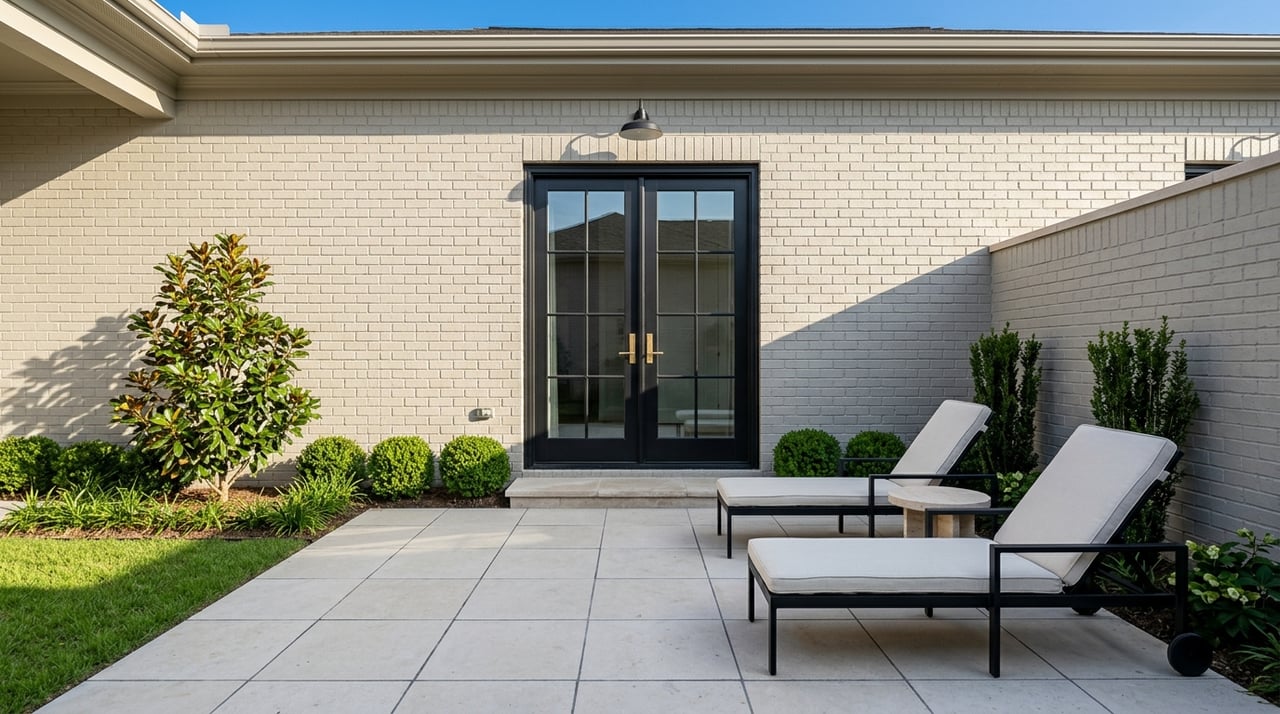
Are you drawn to the idea of less yard work, fewer exterior chores, and more time to enjoy Wake Forest? If so, low-maintenance living may sound like an easy yes, but the right answer depends on how you want to live day to day. In Wake Forest, this lifestyle can be a smart fit for many buyers, especially if you value convenience, access to amenities, and a simpler ownership experience. Let’s take a closer look at what low-maintenance living really means here and how to decide if it matches your goals.
In Wake Forest, low-maintenance living is not limited to one housing style or one type of community. Town planning documents show a broad mix of housing options that fall into this category, including townhomes, duplexes, condos, villas, and age-restricted communities. That matters because when you start your search, you will likely see several ownership models that all promise easier upkeep.
The key point is that low-maintenance does not mean no maintenance. In most cases, it means a shared-maintenance structure where an owners association handles certain common areas or exterior responsibilities, while you still remain responsible for some part of the property. The exact split depends on the legal structure of the community and its governing documents.
In North Carolina, townhomes and condos are not all governed the same way. Planned communities generally fall under Chapter 47F, while condominiums are governed by Chapter 47C. That difference affects how maintenance responsibilities, association powers, and ownership rights are defined.
For you as a buyer, that means the label on the brochure matters less than the documents behind it. A community may be marketed as low-maintenance, but the declaration, bylaws, and other association documents spell out what the HOA maintains and what you maintain. In a condominium, the declaration also takes priority over the bylaws if there is a conflict.
Many buyers assume low-maintenance living means the HOA takes care of everything outside the front door. Usually, that is not the case. In planned communities, the association is generally responsible for common elements, while each owner remains responsible for the lot and its improvements unless the declaration says otherwise.
In a condominium, the association typically maintains and insures the common elements, but the declaration still determines the exact line between shared responsibility and owner responsibility. That is why two communities that look similar from the street can operate very differently in practice.
A helpful way to think about this is to separate shared spaces from private spaces. Shared spaces often include items like community landscaping, private streets, building exteriors in some communities, and amenities. Private spaces may include your unit interior, portions of the exterior, patio areas, or the lot itself, depending on the community documents.
This is also why low-maintenance living is best viewed as a spectrum. Some communities take on more exterior work than others, while some leave owners with more responsibility than expected.
HOAs and condo associations do more than arrange lawn care. Under North Carolina law, planned-community associations can adopt rules, approve budgets, collect assessments, regulate use and maintenance of common elements, and impose late charges or fines after notice and an opportunity to be heard. Condominium associations have similar powers.
That shared-control model is central to the lifestyle. You may gain time and convenience, but you also agree to certain rules, fees, and standards that shape how the community operates.
If you are considering low-maintenance living in Wake Forest, the better question is not just “Do I want less upkeep?” It is “What exactly am I responsible for, what does the HOA cover, and how do the costs and rules fit my lifestyle?”
Before you move forward, review these items carefully:
North Carolina disclosure rules require most sellers of residential one- to four-unit properties to provide the Residential Property and Owners' Association Disclosure Statement before an offer is made. The North Carolina Real Estate Commission notes that this applies to condominiums, townhouses, and similar residences, which makes this paperwork an important part of your due diligence.
As you compare communities, ask:
These questions can help you avoid surprises and compare options more clearly.
Wake Forest offers strong appeal for buyers who want to spend less time managing a home exterior and more time enjoying the area. The town manages 561 acres of parks, open space, natural land, and trails, along with more than 50 miles of developed and undeveloped greenway trails. Residents also have access to amenities such as tennis courts, playgrounds, a dog park, a pool, and community centers.
That outdoor network supports the practical side of low-maintenance living. If your weekends are better spent walking trails, paddling on the reservoir, or meeting friends downtown, a home with less exterior responsibility may feel like a better match than a larger property with a bigger upkeep list.
Wake Forest has several features that support a lock-and-leave lifestyle. E. Carroll Joyner Park includes three miles of paved trails, and the Wake Forest Reservoir offers a 1.6-mile soft trail plus access for paddle and electric-powered boats. The town also describes its greenways as both transportation and recreation corridors, which adds to the ease of getting out and enjoying the area.
Downtown is part of the appeal as well. Wake Forest describes its downtown growth as thoughtful and rooted in historic character and charm, while still benefiting from proximity to Raleigh and RTP. For commuters, frequent travelers, and busy professionals, that balance can be especially attractive.
This ownership style often works well for buyers who want simplicity and predictability. In Wake Forest, it may be especially appealing if you would rather trade some autonomy for easier exterior upkeep and access to shared amenities.
You may want to explore this lifestyle if you are:
Wake Forest is also an ownership-heavy market. The town’s 2024 demographic profile shows that 73.49% of occupied housing units were owner-occupied, which helps explain why HOA-managed homes fit naturally into the local housing mix.
Low-maintenance living can save time, but it is not automatically the best fit for everyone. The tradeoffs are real, and they are usually tied to cost, control, and flexibility.
Common considerations include:
If you value maximum yard freedom, broad customization options, or the lowest possible recurring housing overhead, a more traditional detached home may feel like a better fit. If you value convenience, easier upkeep, and access to amenities, low-maintenance living may offer strong day-to-day value.
A simple way to make this decision is to think about what you want more of and what you are willing to give up. If you want more free time, simpler upkeep, and a home base that supports an active lifestyle, Wake Forest gives you several community types worth exploring.
If, on the other hand, you want full control over your exterior, fewer rules, and more room to personalize your property, it may make sense to look beyond the low-maintenance category. The right choice is not about which option is better on paper. It is about which ownership model fits the way you actually want to live.
Whether you are comparing a villa, condo, or townhome, careful document review is what turns a good-looking option into a smart purchase decision. If you want a polished, practical strategy for finding the right fit in Wake Forest, Michelle Mundra can help you evaluate the details with clarity and confidence.



Looking to buy, sell, or invest in real estate? We're here to make your dreams a reality! Whether it's finding your perfect home, securing a lucrative investment property, or selling your current one, our dedicated team is ready to guide you every step of the way. Reach out to us today to start your journey towards your real estate goals!