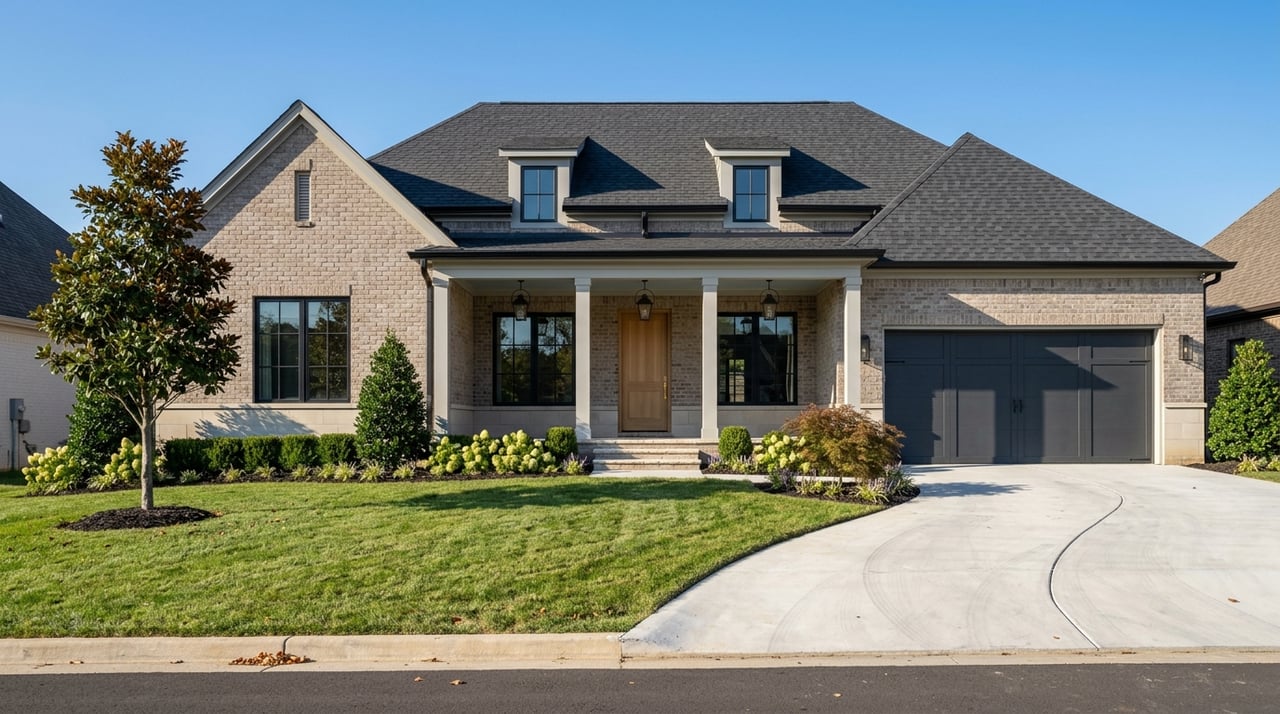
Planning A Move-Up Purchase Within North Raleigh
June 18, 2026
June 18, 2026
Thinking about a bigger home in North Raleigh? A move-up purchase here often means solving two timing questions at once: how to buy in a still-competitive market, and how to make sure your next address fits your daily routine, including school assignment and commute. If you want more space without creating more stress, a clear plan can help you move with confidence. Let’s dive in.
North Raleigh remains a competitive market. Over the three months ending in May 2026, Redfin reported a median sale price of $495,233 in North Raleigh, with homes selling in about 28 days on average. It also noted that many homes receive multiple offers, and some hot homes can go pending in about 6 days.
That said, the broader Triangle market is not moving at the same pace as the peak bidding-war years. Wake County Economic Development describes the market as more stable, with active listings up and pricing expected to rise at a steadier pace through 2026. For you, that means preparation matters, but panic usually does not help.
A move-up purchase is rarely just about square footage. In North Raleigh, it is also about how your next home supports your real life, from school logistics to commute patterns to the kind of layout that feels easier to live in every day.
Before you start touring homes, get specific about what you are trying to improve. More space is often part of the goal, but the better question is how that space needs to function. You may want an extra bedroom, a dedicated office, a larger yard, or a layout that works better for mornings, evenings, and weekends.
For many buyers, the next home is really about rhythm. A more useful kitchen, a main-level guest suite, better storage, or a quieter work-from-home setup can change how the whole house feels. The right move-up home should support the way you live now, not just look larger on paper.
This is also where North Raleigh stands out. Because address-based school assignment and commute routes can shift even within a relatively short move, your next home needs to be evaluated beyond the finishes and bedroom count.
If you are moving with children, this step is critical. Wake County Public School System assigns base schools by home address, and some schools have enrollment caps. Moving only a few miles does not automatically mean your child will remain assigned to the same school.
That is why the target address should be checked before you write an offer, not after closing. WCPSS provides an address lookup tool for base-school assignment, making it one of the most important early checks for a North Raleigh move-up purchase.
Calendar type matters too. WCPSS uses traditional, modified, year-round, and single-track year-round calendars. A home that seems like a great fit on location alone may create a very different family schedule depending on the assigned school calendar.
If you are considering a year-round or magnet option, plan carefully. WCPSS says those applications are not first-come, first-served, and approval is not guaranteed. It also notes that some transportation plans may require drive-to-school or express-bus-stop arrangements, and neighborhood bus rides can exceed one hour.
For current Wake County residents, WCPSS says an Offer to Purchase agreement may be used to enroll when the closing date is within 45 days of enrollment. That can be helpful when timing a move, but it still makes sense to confirm your school plan early.
A move-up purchase can improve your home life while quietly making your weekdays harder. That is why commute planning should be part of your home search from the start. In North Raleigh, a few extra miles may matter less than the direction you travel and the roads you rely on most.
Raleigh’s long-range transportation plan identifies several north Raleigh corridors where traffic and level of service are projected to worsen over time, including Capital Boulevard north of I-540, I-540 from Capital Boulevard to I-40, and US 401 north of I-540. This does not mean you should rule out homes near those routes. It does mean you should think realistically about school drop-off patterns, office days, activities, and return-home traffic.
There is also longer-term context to consider. NCDOT’s Complete 540 project is expected to ease traffic on several regional routes and is scheduled for completion in 2028. If you are open to a slightly farther-out home, future access may be part of the picture, especially for a commute-heavy household.
One of the biggest move-up decisions is not the house itself. It is the sequence. In most cases, your options fall into three simple models: sell first, buy first, or coordinate both closings.
Each path has tradeoffs, and the best one depends on your finances, risk tolerance, and the kind of home you are trying to buy. In a market like North Raleigh, where clean terms can matter, your timeline strategy can shape how competitive your offer looks.
Selling first can give you clarity on proceeds and budget. You know what your current home sold for, how much cash you have available, and what price range feels comfortable for the next purchase.
The tradeoff is timing. You may need temporary housing, a rent-back arrangement, or very careful closing coordination if your next home is not ready in time.
Buying first can reduce the pressure of making two major moves at once. If you find the right home and have the financial ability to carry the transition, this option may give you more breathing room and more control over your move.
The challenge is exposure. Until your current home sells, you may be carrying more than one housing-related obligation, and that needs to be evaluated carefully with your lender and transaction team.
This approach aims to line up the sale of your current home with the purchase of your next one. When it works well, it can minimize extra moves and reduce overlap.
It also requires a detailed plan. Contract dates, inspection windows, financing milestones, and possession terms all need to work together cleanly.
Contingencies are conditions that must be met before a purchase can be completed. For move-up buyers, some of the most relevant are financing, appraisal, inspection, home sale, and home close contingencies.
Other tools can also shape a smoother transition, including rent-back, early move-in, continue-to-show, kick-out, title, homeowners insurance, and HOA review provisions. These are not one-size-fits-all solutions, but they are normal parts of real estate contracts in the right situation.
In North Raleigh, contingent offers can still work, but they usually need especially clean timelines and clear planning. With many homes attracting strong interest, sellers may be more cautious about accepting offers tied to another sale unless the path is well defined.
NAR notes that if a seller accepts a home-sale or home-close contingency, the seller may continue to show the home and may add a kick-out clause. It also notes that if a contingency deadline is not met, either party can cancel without penalty when acting in good faith.
The practical takeaway is simple: if your offer depends on another event, your strategy needs to be organized and realistic from day one.
Once you are under contract, speed and follow-through matter. The Consumer Financial Protection Bureau advises buyers to schedule the home inspection as soon as possible. If your contract is contingent on a satisfactory inspection, it also notes that you can cancel without penalty if you are not satisfied.
Closing includes more than signing papers. This is the stage where buyers complete lender paperwork and handle items such as homeowners insurance, title insurance, and the inspection process. When you are buying and selling around the same time, staying ahead of these steps helps reduce avoidable stress.
A move-up purchase often feels more complex because it is more connected. Your sale timeline, your purchase contract, your school planning, and your move logistics all affect one another. The smoother each step is, the easier the overall transition becomes.
The best move-up purchases tend to be the ones that solve everyday friction. A bigger house is helpful, but a better layout is often what changes your quality of life. The same is true for a more predictable commute, better work-from-home space, or a school routine that fits your household.
When you evaluate homes in North Raleigh, think in terms of lived experience. Picture the morning routine, where backpacks land, how dinner prep flows, where you take calls, and how weekends feel. Those details often tell you more than square footage alone.
This is also where a more refined home search can make a difference. If your goal is a turnkey move-up property with thoughtful finishes and a layout that works beautifully, clarity on your priorities will help you act faster when the right home appears.
North Raleigh offers strong options for buyers who want more space and a better fit, but success often comes down to planning early. Market competition, school assignment, contract structure, and commute realities all deserve attention before you fall in love with a specific home.
When you approach the process with a clear strategy, you can make better decisions with less pressure. That means checking the address, reviewing the calendar, understanding your contract options, and choosing a sale-and-purchase sequence that supports your goals.
If you are planning a move-up purchase in North Raleigh and want a more tailored strategy for timing, home search, and presentation of your current property, Michelle Mundra can help you map out the next step with a thoughtful, high-touch approach.


Looking to buy, sell, or invest in real estate? We're here to make your dreams a reality! Whether it's finding your perfect home, securing a lucrative investment property, or selling your current one, our dedicated team is ready to guide you every step of the way. Reach out to us today to start your journey towards your real estate goals!