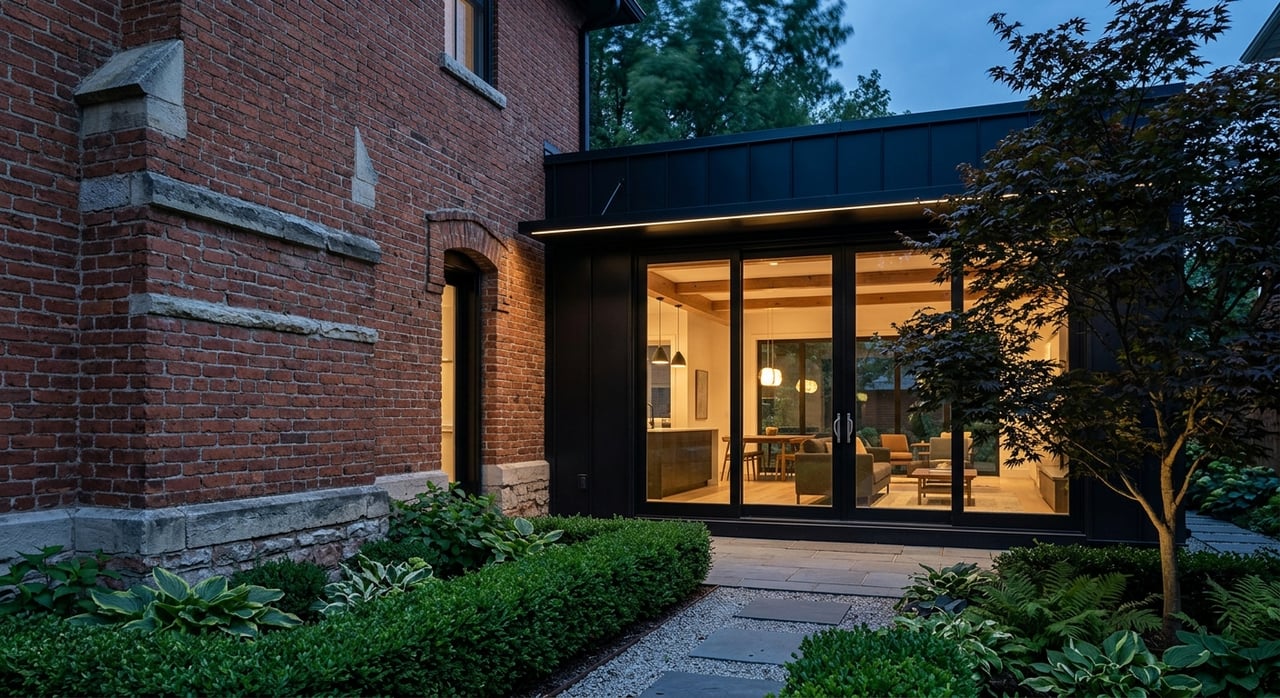
Luxury New Construction vs Historic Homes in Raleigh
April 16, 2026
April 16, 2026
Choosing between a luxury new build and a historic home in Raleigh is not just about style. It is about how you want to live, what tradeoffs you are comfortable with, and how much value you place on character, efficiency, and flexibility. If you are weighing both options, understanding Raleigh’s local rules and housing patterns can help you make a more confident choice. Let’s dive in.
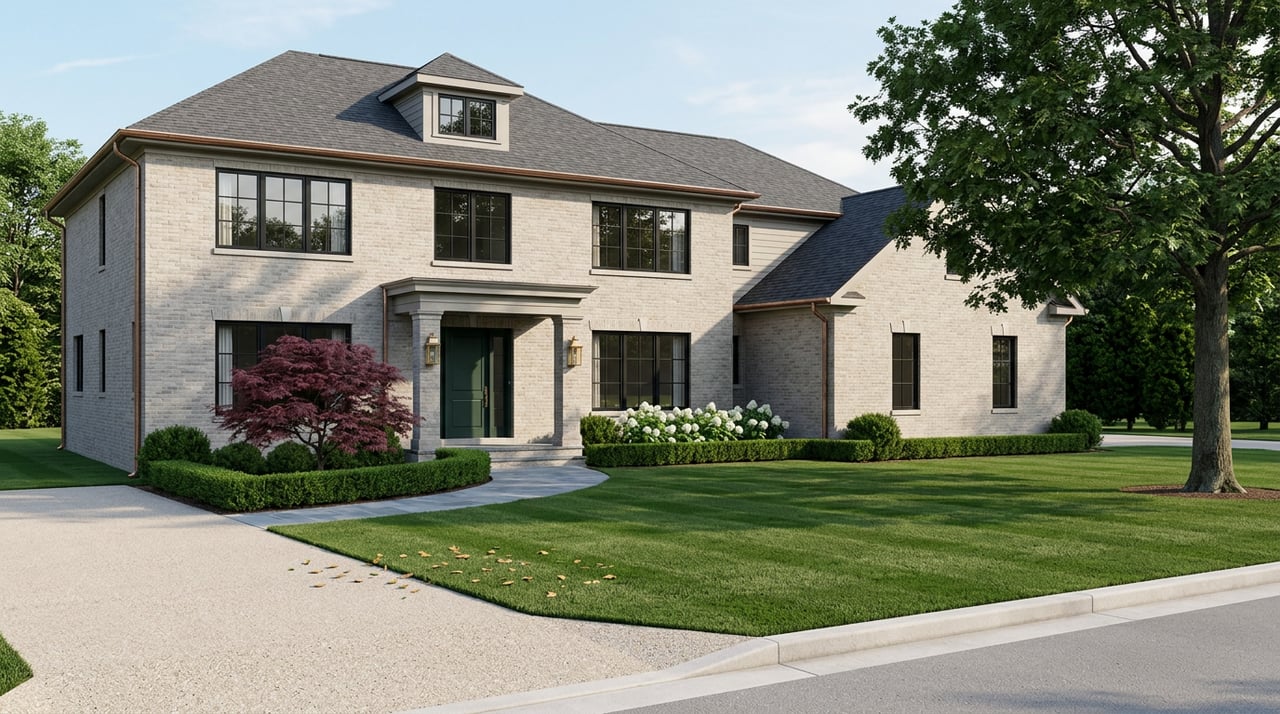
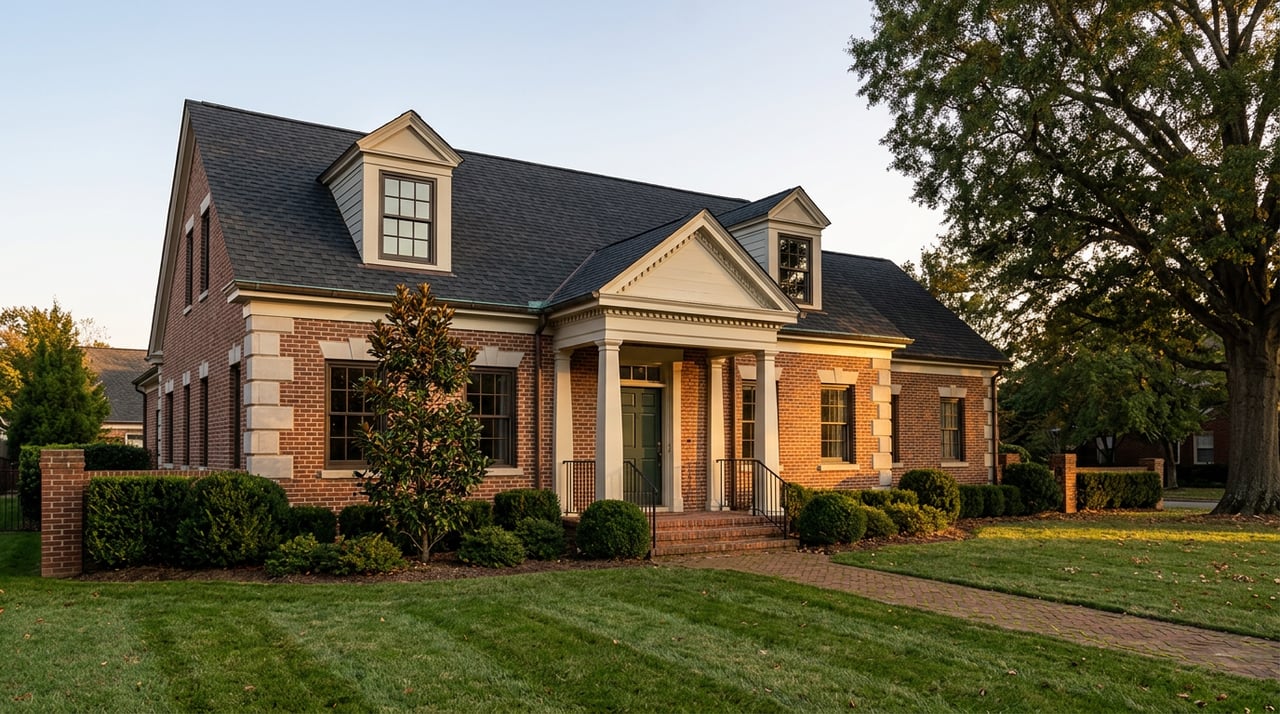
In Raleigh, historic homes and luxury new construction often appeal for completely different reasons. A historic property may draw you in with a front porch, mature trees, and architectural details that feel rooted in the city’s story. A new home may stand out for its clean execution, modern systems, and easier day-one living.
That distinction matters even more in Raleigh because historic designation is not just a label. According to the City of Raleigh’s Certificate of Appropriateness guidance, local Historic Overlay Districts and Raleigh Historic Landmarks can require design review for exterior changes. By contrast, National Register listing alone is mostly honorary and does not create the same local review.
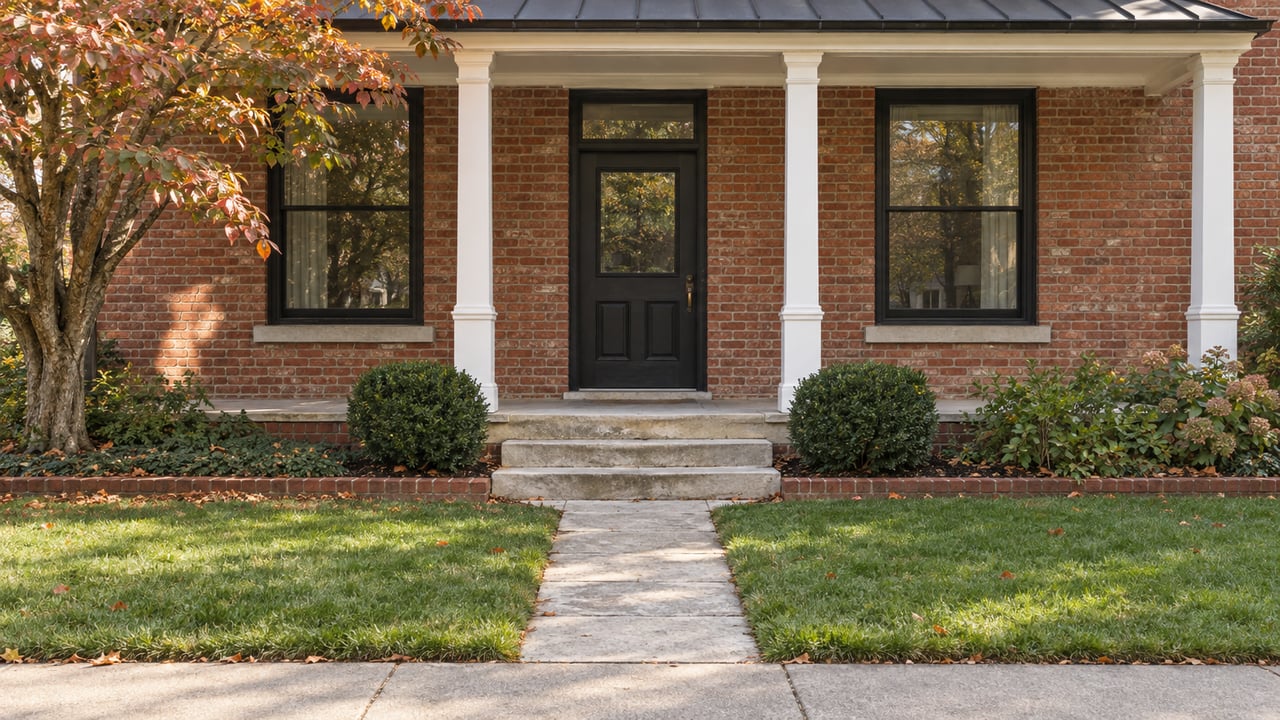
For many buyers, the biggest appeal of a historic home is the setting as much as the house itself. Raleigh’s older districts often feature mature landscaping, varied lot sizes, front-porch streetscapes, and architecture that is difficult to replicate in a new build.
The city notes that Oakwood holds Raleigh’s largest collection of 19th-century Victorian-era dwellings, with broad architectural diversity and parcels that vary in size and shape. Boylan Heights has curving streets, rear alleys, mature trees, and deeper setbacks on Boylan Avenue. The Capitol Area district reflects Raleigh’s original 1792 street plan and includes buildings from the late 18th century through the 20th century.
If you are drawn to homes with a strong sense of place, these details may matter more than square footage alone. In many cases, you are buying into a streetscape and pattern of development that cannot easily be recreated.
If a property is locally designated, exterior work generally requires approval before work begins. The city explains that a Certificate of Appropriateness may apply to exterior changes, additions, demolition, landscape features, materials, and even some new construction within locally regulated districts.
This is one of the most important due diligence items for buyers. A home can be National Register listed, locally designated, or both, and those categories carry very different practical effects. Before you fall in love with a facade or start planning changes, it is wise to confirm the exact designation status.
Older homes often come with a different maintenance rhythm than newer construction. The U.S. Department of Energy notes that many older homes have less insulation than homes built today, and air leakage can be a major source of heating and cooling loss.
That does not mean a historic home cannot be comfortable or updated. Raleigh preservation staff points owners toward preservation-friendly improvements such as storm windows, weather stripping, solar panels, and EV chargers, along with routine maintenance like keeping paint and gutters in good condition and monitoring roofs and tree branches. Historic ownership often rewards buyers who appreciate ongoing stewardship rather than a fully hands-off experience.
Some historic properties may offer meaningful incentives. Raleigh states that National Register contributing properties may qualify for state and federal rehabilitation tax credits, and Raleigh Historic Landmark designation includes a 50% property tax deferral from the county.
These benefits will not apply to every property, and eligibility matters. Still, they can be an important part of the financial picture if you are considering a qualifying home with restoration or rehabilitation plans.
Luxury new construction tends to appeal to buyers who want predictability, comfort, and a more streamlined move-in experience. ENERGY STAR certified new homes are designed and built to meet strict efficiency requirements, and the Department of Energy explains that controlling air movement is a core part of efficient construction because leakage can account for 30% or more of heating and cooling costs.
For you as a buyer, that can translate to more consistent indoor comfort, lower energy waste, and fewer immediate upgrade projects. If your priority is turnkey living, this is often where new construction shines.
One common assumption is that newer always means better built. Raleigh buyers should take a more careful view. North Carolina’s Office of State Fire Marshal says the 2018 North Carolina State Building Code remains effective statewide, and the 2024 code is not yet mandatorily effective.
In practical terms, a new home is not automatically finished to a universally higher standard simply because it is new. Builder execution, materials, floor plan choices, and optional certifications still matter. In the luxury segment especially, details make the difference.
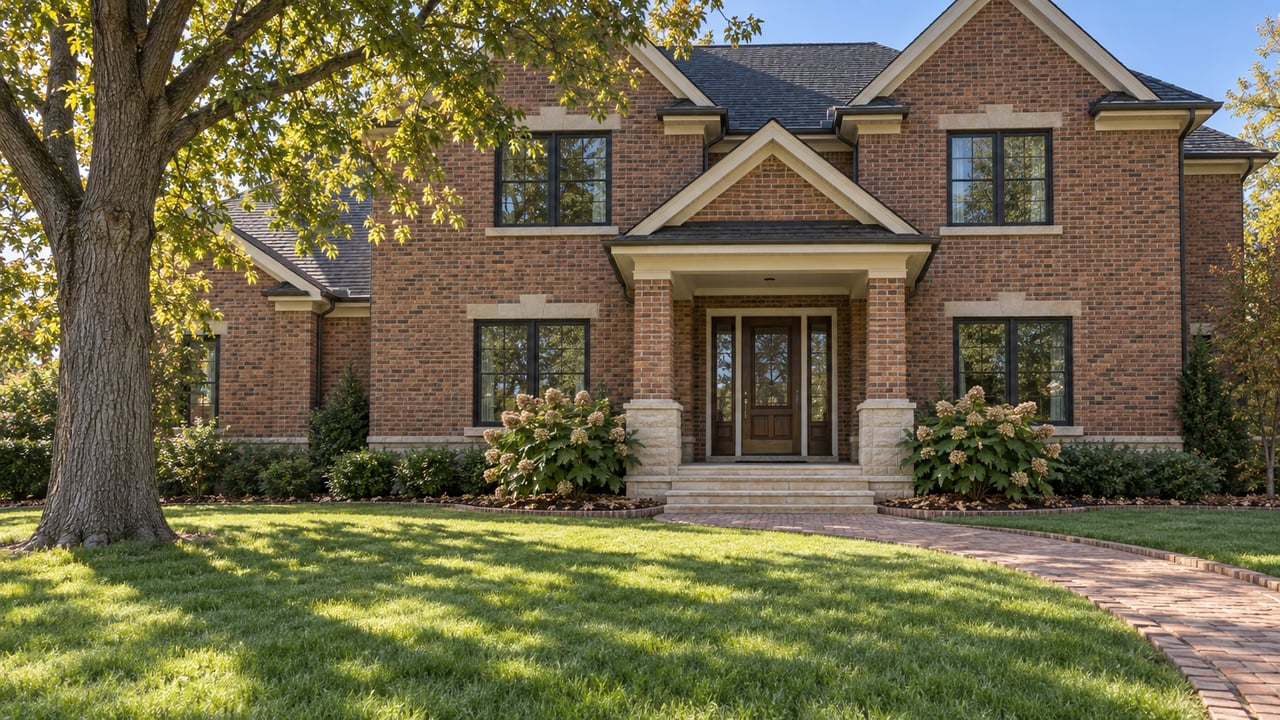
New construction often gives you a cleaner baseline for how people live today. Open layouts, larger closets, newer mechanical systems, and lower near-term repair uncertainty tend to appeal to buyers who want ease from day one.
Raleigh’s preservation staff also points out that new construction and additions can be designed as compatible infill in historic areas using thoughtful orientation, durable substitute materials, roof overhangs, double-hung windows, insulation, and tree-preserving site plans. That is a useful reminder that new versus historic is not always a strict either-or decision in Raleigh.
One of the most interesting things about Raleigh is that some of its best homes sit between these categories. You may find a newly built home that respects the scale and material language of an older streetscape. You may also find a historic home that has been thoughtfully updated for modern living while retaining its original character.
That nuance matters if you care about both design and practicality. In some neighborhoods, the strongest option may not be the newest house or the oldest one. It may be the property that best balances architecture, setting, function, and long-term fit.
A historic home may be the better fit if you are looking for:
This path usually works best for buyers who are comfortable with ongoing maintenance and, where applicable, local design review.
Luxury new construction may be the better fit if you prioritize:
This option often suits buyers who want convenience, cleaner performance expectations, and a home aligned with current living patterns.
Before you compare finishes, floor plans, or curb appeal, confirm the property’s designation status. Raleigh makes clear that National Register, local Historic Overlay District, and Raleigh Historic Landmark designations do not carry the same rules or benefits.
That single step can shape renovation plans, timeline expectations, and ownership costs. It can also help you avoid surprises after closing.
When you look ahead to resale, age alone is rarely the full story. Historic homes often appeal because of authentic character and protected streetscapes. Newer luxury homes often attract buyers who value polished execution and modern efficiency.
The strongest resale position usually comes from alignment. A home that clearly delivers what its likely buyer wants, whether that is historic authenticity or move-in-ready convenience, is often easier to understand and market well.
If you are weighing luxury new construction against a historic home in Raleigh, the right answer is usually the one that matches your lifestyle, your tolerance for upkeep, and the kind of setting you want to come home to. If you want a thoughtful, design-aware perspective on Raleigh homes and neighborhoods, Michelle Mundra can help you evaluate the tradeoffs with clarity.
Looking to buy, sell, or invest in real estate? We're here to make your dreams a reality! Whether it's finding your perfect home, securing a lucrative investment property, or selling your current one, our dedicated team is ready to guide you every step of the way. Reach out to us today to start your journey towards your real estate goals!