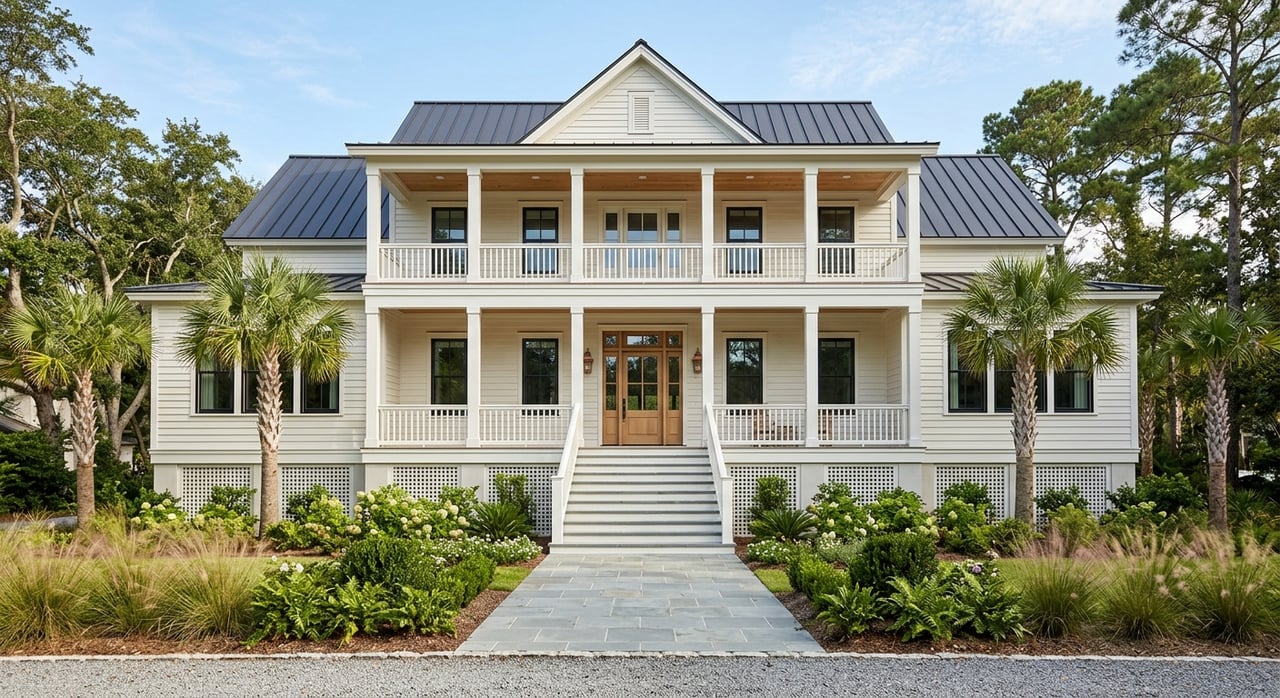
North Carolina Coast Second Home Planning Guide
April 2, 2026
April 2, 2026
Dreaming about a place by the water? Buying a second home on the North Carolina Coast can be exciting, but it also comes with decisions you may not face when buying in the Triangle. You need to think about location, storm exposure, insurance, upkeep, and how the home will function when you are back in Raleigh. This guide walks you through the key questions to ask so you can plan with more confidence. Let’s dive in.
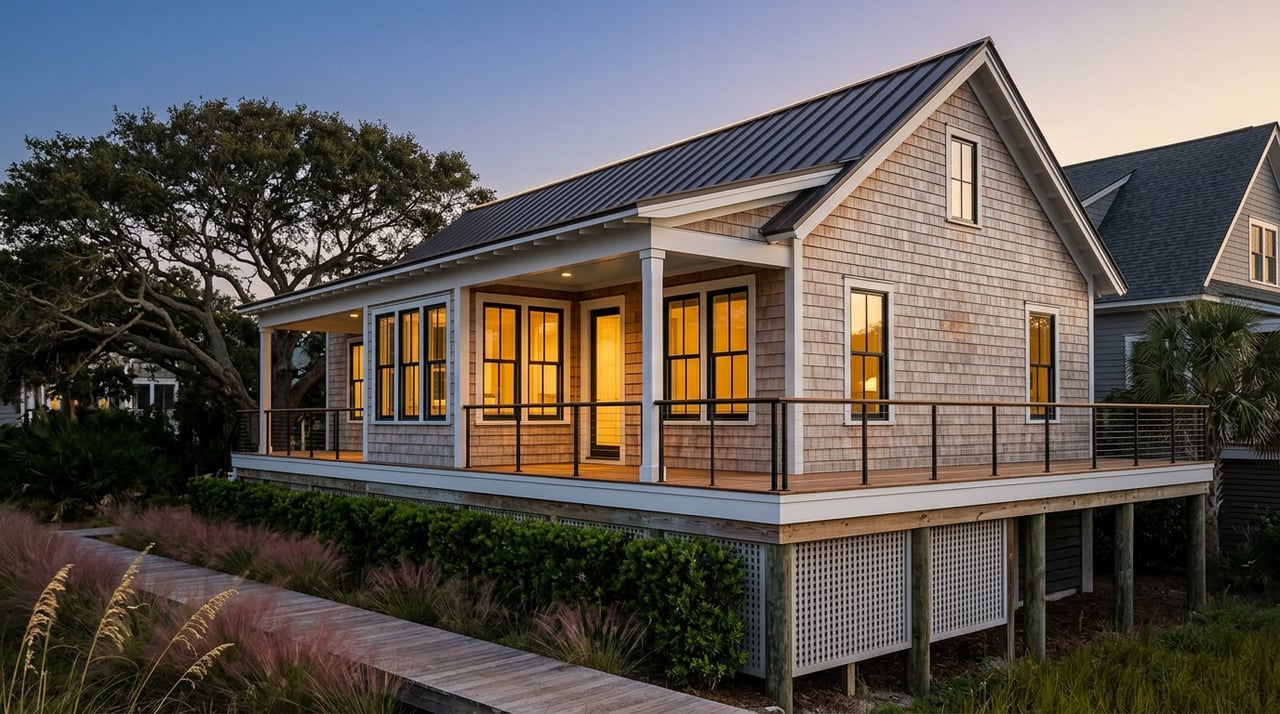
One of the first decisions is not just where to buy, but what kind of coastal experience fits your goals. On the North Carolina Coast, “coastal” can mean a barrier-island beach house, a sound-side property, or a more inland home within the coastal region.
If your priority is direct beach access and a classic oceanfront feel, the barrier-island markets may be the best fit. If you want a quieter setting or a property with a different risk profile, a sound-side or inland coastal option may be worth a closer look. For many Triangle buyers, this is really a lifestyle and exposure decision at the same time.
The Outer Banks & Crystal Coast region is known for barrier islands, national seashores, lighthouses, and a strong oceanfront identity. This setting often appeals to buyers who want a true beach-house experience and easy access to the shoreline.
Because these areas are closely tied to the oceanfront environment, buyers should pay close attention to flood exposure, erosion considerations, and insurance structure early in the process. The lifestyle can be compelling, but the ownership plan needs to be just as thoughtful.
The Southern Beaches region includes 12 distinct beaches and offers a mix of beach, boating, and golf amenities. If you want a wider mix of coastal activities and communities, this part of the coast may offer more variety in how you use the home.
This region can be a good fit if you are balancing personal use with convenience and flexibility. It still requires careful review of insurance, maintenance, and local property rules before you buy.
The Northeast Sounds & Inner Banks and Inner Coastal Plain regions offer a different kind of coastal ownership. These areas are associated more with sounds, rivers, sailing, fishing, paddling, and inland coastal living than with a classic barrier-island beach market.
For some buyers, that tradeoff makes sense. You may find a setting that feels more relaxed or practical for weekend use, while potentially reducing some of the exposure that comes with being directly near the oceanfront.
One of the biggest mistakes second-home buyers make is waiting too long to price insurance. On the coast, insurance may involve more than one policy, and timing matters.
According to the North Carolina Department of Insurance, standard homeowners insurance does not cover flood damage. Flood insurance is separate, and it typically has a 30-day waiting period. If the property is in a higher-risk area, FEMA notes that many lenders require flood insurance before closing.
Before you move too far into due diligence, it is wise to request quotes for:
The North Carolina Department of Insurance says windstorm and hail coverage may be excluded from a standard homeowners policy in coastal areas and may need to be written separately with its own deductible. It also notes that the North Carolina Insurance Underwriting Association, also called the Coastal Property Insurance Pool, serves eligible coastal properties in 18 counties and certain beach areas.
That means your monthly ownership cost may look different than it would for a primary home in Raleigh. Getting these numbers early can help you shape your budget and avoid surprises.
Before you buy, confirm how the property sits within official flood mapping and whether future repairs or updates could trigger extra requirements. FEMA’s Flood Map Service Center is the official source for flood maps and identifies Special Flood Hazard Areas and coastal risk zones.
This matters not only for insurance, but also for long-term planning. If you hope to renovate, expand, or rebuild later, local rules can affect what is possible.
The North Carolina Department of Environmental Quality says the Division of Coastal Management works in 20 coastal counties, and some projects in designated coastal areas may require a CAMA permit. For oceanfront development, setback distances are tied to erosion rates, and rebuilding after storm damage still has to meet current regulations.
In practical terms, that means a home’s future potential is not always as simple as square footage or lot size. If improvements are part of your plan, confirm the rules before closing, not after.
A second home by the coast usually needs more hands-on care than a similar home inland. Salt air, wind, moisture, and storm exposure can all increase wear over time.
FEMA guidance warns that high winds can damage roof flashing and lead to leaks, corrosion, mold, and dry rot. FEMA also notes that coastal conditions can accelerate corrosion of metal connectors, while corrosion-resistant materials may help reduce maintenance over time.
Your maintenance plan may need to include:
If you live primarily in the Triangle, this local support becomes especially important. A beautiful coastal property is easier to enjoy when you have a reliable plan to protect it between visits.
Owning a second home means you may not be there when conditions change. That is why seasonal planning is part of smart coastal ownership.
NOAA states that the Atlantic hurricane season runs from June 1 through November 30. The North Carolina Department of Insurance advises coastal residents to know evacuation zones, prepare for outages, keep emergency supplies ready, and understand how they will secure the property if a storm approaches.
Before you close, think through questions like:
These are not small details. For a second-home owner, they are part of the ownership strategy.
If you will use the property only on weekends, holidays, or school breaks, distance matters. Even if the drive feels manageable, a coastal home still needs attention when you are not there.
A workable plan usually includes some mix of self-management, a local caretaker, or a full-service property manager. The key issue is not just convenience. It is making sure someone local can inspect the home, respond to weather events, and help keep the property in good shape.
For many buyers, this is where an early strategy helps most. If you know how the home will be maintained, secured, and serviced, you can buy with a clearer understanding of the real commitment involved.
If you may rent the property part-time, be careful about making assumptions. Rental income may look attractive on paper, but your actual flexibility depends on the property rules, insurance terms, and local requirements.
FEMA guidance supports verifying building and floodplain requirements before counting on future renovations, rebuilding, or expansion. The same practical approach applies to rental plans. Before closing, confirm HOA or condo rules, local rental ordinances, and whether your insurance structure aligns with your intended use.
If rental use is part of your plan, ask:
Clear answers upfront can protect you from buying a home that does not fit the way you hope to use it.
Tax treatment for a second home is often different from a primary residence. In North Carolina, some property tax relief programs apply only to a permanent residence owned and occupied by a qualifying owner.
Under North Carolina law, the elderly or disabled homestead exclusion applies to a permanent residence, so a typical second home generally will not qualify. The state also notes that real property is listed for tax in the county where it is located, and seasonal or temporary dwelling personal property is taxed at the dwelling’s location.
This is another reason to model your carrying costs carefully before you buy. Your second-home budget should account for taxes, insurance, maintenance, and local support together, not one at a time.
Buying a second home on the North Carolina Coast can be incredibly rewarding, but it works best when you match the property to your goals and prepare for the realities of coastal ownership. The right choice for you may be an oceanfront escape, a sound-side retreat, or a more inland coastal property that offers a different balance of access and upkeep.
If you are based in the Triangle, thoughtful planning can make all the difference. From evaluating exposure and insurance to thinking through maintenance, rental rules, and long-term use, a well-advised purchase can feel far more manageable. If you are considering a second home and want a refined, strategic approach to your next move, connect with Michelle Mundra.
Looking to buy, sell, or invest in real estate? We're here to make your dreams a reality! Whether it's finding your perfect home, securing a lucrative investment property, or selling your current one, our dedicated team is ready to guide you every step of the way. Reach out to us today to start your journey towards your real estate goals!