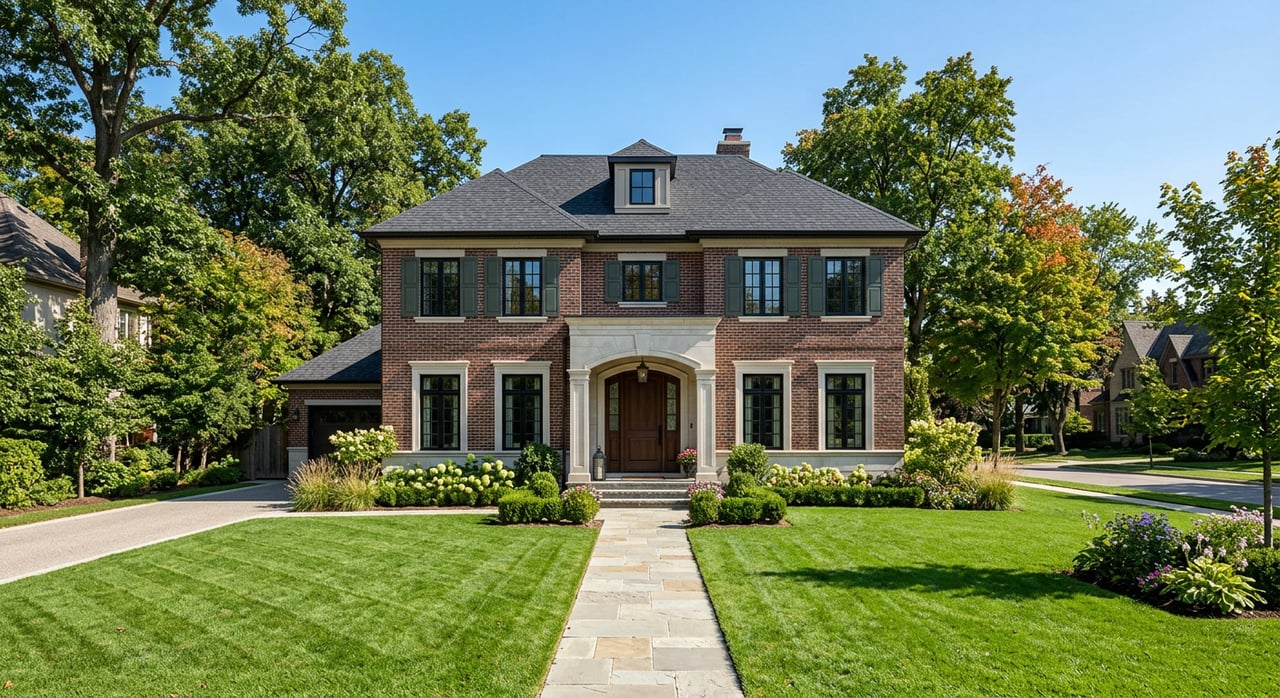
New Construction vs Resale in Wake Forest
March 12, 2026
March 12, 2026
Trying to decide between a shiny new-build and a charming resale in Wake Forest? You are not alone. Both paths can work well here, but the right choice depends on your timing, maintenance comfort, lot-size priorities, and budget. In this guide, you will get a clear, local comparison, what to expect from each option, and a simple checklist to help you move forward with confidence. Let’s dive in.
Local trackers show Wake Forest’s median price in the mid 400s to mid 500s. The exact number varies by source and week, so use a range when planning. Recent Triangle coverage points to rising inventory and a more balanced market, which has also meant more new-home incentives and quick-move-in options in many communities. You can review broader supply trends in local reporting about the market moving toward balance in 2026 for context (Triangle market balance coverage).
If you want to see what is being built now, the Town of Wake Forest keeps an active developments map and planning portal. It is a helpful way to confirm which neighborhoods are under review or under construction (Town planning and development portal).
New-home communities are active across Wake Forest, with national and regional builders offering townhomes, production single-family, and select custom sections. You will see quick-move-in homes alongside to-be-built lots. Typical price bands range from entry and mid-level townhomes in the mid 200s to mid 400s, family single-family in the mid 400s to 700s, and luxury or estate product well above 1 million in gated or custom enclaves. Always confirm current base prices and incentives with the on-site sales team.
Most production neighborhoods offer single-family lots around 0.12 to 0.25 acres for the main product lines. Larger or estate-size lots do exist in higher-end or custom sections, but they are less common and price at a premium. Nearly all new communities have HOAs. Fees vary widely by product and amenities. Townhome communities with shared grounds and pools often fall roughly between 150 and 540 dollars on a monthly or quarterly schedule. Amenity-rich master plans usually charge more.
Production builders typically offer design-center selections for finishes and limited options changes. Semi-custom and custom builders allow more structural flexibility, but timelines and costs increase. Many reputable builders here provide tiered warranties that look like a 1-2-10 model, which means one year on workmanship, two years on systems, and 10 years of limited structural coverage. Ask for the written summary and the third-party provider before you sign (builder warranty overview example).
If you are building from plans, plan for roughly 6 to 12 months from permit to completion, depending on lot release, design choices, and supply chain. Production build times have recently averaged about 7 to 8 months in industry reporting, and quick-move-in homes can close in weeks to 90 days (single-family construction speeds up). Incentives are common when inventory rises, so ask about rate buydowns, closing-cost help, or upgrade packages. Coordinate early with your lender and the builder on appraisal timing and rate-lock windows.
Before you assume private utilities, confirm whether a property is inside the Town’s service area and understand Wake Forest’s water and sewer setup with Raleigh Water. The Town’s resource page is a good starting point (Wake Forest water and sewer info). Ask which state or municipal energy code applied to the permit so you can anticipate efficiency.
Established Wake Forest neighborhoods, including areas near downtown and Joyner Park, often deliver mature trees, larger lots, and a lived-in community feel. Downtown investments and events support these walkable, historic-adjacent areas, which can translate into a strong location value if being near civic amenities is a priority (downtown quality-of-life context).
Resales typically allow faster occupancy, often 30 to 60 days from contract once you complete inspections and appraisal. The trade-off is potential near-term maintenance. Use the age of major systems to estimate your first 1 to 5 years of ownership costs. For example, asphalt shingle roofs often run 20 to 30 years, with architectural profiles trending longer (roof lifespan guide). Many HVAC systems last roughly 12 to 20 years depending on type and maintenance (HVAC lifespan guide).
Historically, new homes here have often sold at a premium over older homes, though the gap shifts by year and submarket. Local analysis for 2015 to 2021 showed periods where newer product held a low double-digit average premium, but incentives and market balance can narrow that difference. Always compare like-for-like on size, lot, and location, and check recent local data for your target area (Wake Forest housing analysis, historical context).
| Factor | New Construction | Resale Homes |
|---|---|---|
| Typical lot size | About 0.12 to 0.25 acres for most production single-family, larger in custom or estate sections | Wider range, from smaller in-town parcels to larger mature lots in established areas |
| Move timeline | To-be-built about 6 to 12 months, quick-move-in often weeks to 90 days | Often 30 to 60 days post-contract, subject to inspection and appraisal |
| Warranty coverage | Commonly 1-2-10 style builder warranty, plus manufacturer warranties | No builder warranty on older homes, rely on inspection findings and seller disclosures |
| Near-term maintenance | Low in first years due to new systems and finishes | Plan for roof, HVAC, water heater, and appliance cycles based on age and condition |
| HOA likelihood and fees | Most communities have HOAs; townhomes and amenity-rich plans show higher dues | Mixed, some established neighborhoods have modest or no HOA dues |
| Customization | Finish packages and some options in production builds, broader changes in semi-custom | Lower, but you can renovate post-closing to your style and timeline |
Ask yourself what matters most in the next 3 years: speed, lot, customization, maintenance, or location. If you want lower immediate maintenance and fresh finishes, and your timeline allows a build, new construction can be a strong fit. If you want a larger lot or closer proximity to downtown, and you are comfortable budgeting for repairs, resale might serve you better. For many buyers, the right home is the one that balances timing, location, and projected upkeep.
There is no one-size-fits-all answer in Wake Forest. New construction can offer lower early maintenance, modern efficiency, and design-center choices, often at a price premium that incentives may help offset. Resale homes can deliver larger lots, established settings near downtown, and faster closings, with a higher likelihood of near-term system or finish updates. If you weigh timing, lot, and expected maintenance side by side, the best choice becomes clear.
If you want a tailored comparison for your timeline and budget, reach out for a local plan that balances design goals, negotiation strategy, and value. Start a conversation with Michelle Mundra to map your next move.
Looking to buy, sell, or invest in real estate? We're here to make your dreams a reality! Whether it's finding your perfect home, securing a lucrative investment property, or selling your current one, our dedicated team is ready to guide you every step of the way. Reach out to us today to start your journey towards your real estate goals!