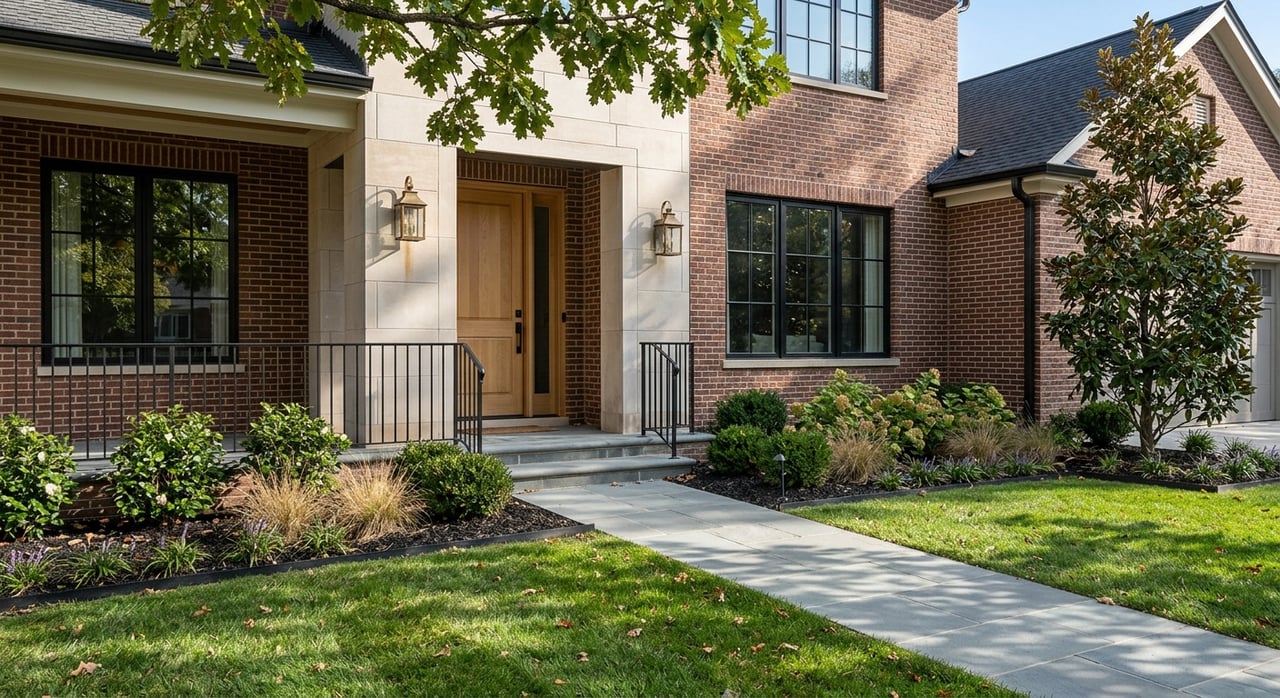
Midtown vs North Raleigh vs Wake Forest: Find Your Fit
March 26, 2026
March 26, 2026
Torn between Midtown, North Raleigh, and Wake Forest? Each offers a distinct rhythm, price point, and commute, so the best choice depends on how you want to live day to day. If you want confidence before you commit, you need clear facts and a simple way to compare tradeoffs. In this guide, you’ll see how housing, lots, commutes, and amenities stack up, plus who each area tends to fit best. Let’s dive in.
To keep comparisons clear, here’s how “Midtown,” “North Raleigh,” and “Wake Forest” are used in this guide:
Provider medians differ by boundary, so use these as directional snapshots and verify current figures with your agent at offer time.
Midtown’s housing skews to condos, apartments, and townhomes close to restaurants and shops, with a smaller ring of single‑family streets nearby. Many residences have little to no private yard, which is part of the low‑maintenance appeal. Single‑family homes near the core often sit on smaller lots, frequently under roughly 0.15 to 0.25 acres in older pockets. If you want a larger private yard, you’ll likely look to the edges of Midtown or into adjacent North Raleigh neighborhoods. For a sense of the mixed‑use core and walkable amenities, see the North Hills district overview at the North Hills Innovation District.
North Raleigh offers a broad stock of single‑family homes, from mid‑century ranches to newer builds, plus townhomes and apartments. Established subdivisions and custom pockets commonly feature lots in the roughly 0.25 to 0.5 acre range, with some smaller infill sites and occasional larger parcels. Many newer subdivisions use efficient 0.15 to 0.25 acre home sites to balance price and maintenance. The variety allows you to target space, finishes, and commute time within a wider budget range than the Midtown core.
Wake Forest leans single‑family with an active new‑construction market and planned subdivisions. Many communities offer lots in the roughly 0.2 to 0.4 acre range, while homes outside tighter subdivisions can reach 0.5 to 1+ acres. If you value square footage, newer layouts, or larger yards and can accept a longer drive, Wake Forest often delivers strong options. To browse the area’s new‑home pipeline, review regional communities on NewHomeSource.
Tip: Always test your specific address to your workplace at your actual commute time to confirm patterns.
For many RTP locations, Midtown and North Raleigh can offer shorter drives than Wake Forest. Wake Forest residents often accept a longer peak commute or use flexible schedules, with peak RTP trips commonly reported in the 30 to 60 minute range depending on route and timing. Verify your address‑to‑employer route before you buy.
Wake Forest operates rush‑hour express service and has a draft transit plan studying expanded options; there is also a conceptual Wake Forest–Raleigh commuter rail study noted in planning materials. Review the town’s Transit Plan (draft) for context.
Midtown centers on the North Hills mixed‑use district with shopping, dining, hotels, and events in a walkable core. The most walkable blocks are within the immediate district, while many surrounding residential streets are still car‑dependent. If you want restaurants and nightlife within a short walk, Midtown’s core is the best match. Explore the district map at the North Hills Innovation District.
North Raleigh offers broad suburban convenience: neighborhood retail, services, and greenway access. The Crabtree Valley area is a major retail anchor for this side of the city, with ongoing ownership and redevelopment conversations highlighted in local coverage such as Axios. Many neighborhoods feel quieter in the evenings, with easy access to parks and daily errands during the week.
Wake Forest delivers a small‑town Main Street feel, regular community events, and strong outdoor access. The town hosts activities like the Farmers Market and seasonal festivals listed on the Town of Wake Forest site. You’ll also find expansive green space at E. Carroll Joyner Park and quick access to Falls Lake State Recreation Area for boating, trails, and weekend picnics.
Choosing between these three comes down to what you value most: walkability and convenience, suburban balance, or space and newer builds. If you’d like a curated short list in any of these areas, connect with Michelle Mundra for tailored guidance.
Looking to buy, sell, or invest in real estate? We're here to make your dreams a reality! Whether it's finding your perfect home, securing a lucrative investment property, or selling your current one, our dedicated team is ready to guide you every step of the way. Reach out to us today to start your journey towards your real estate goals!