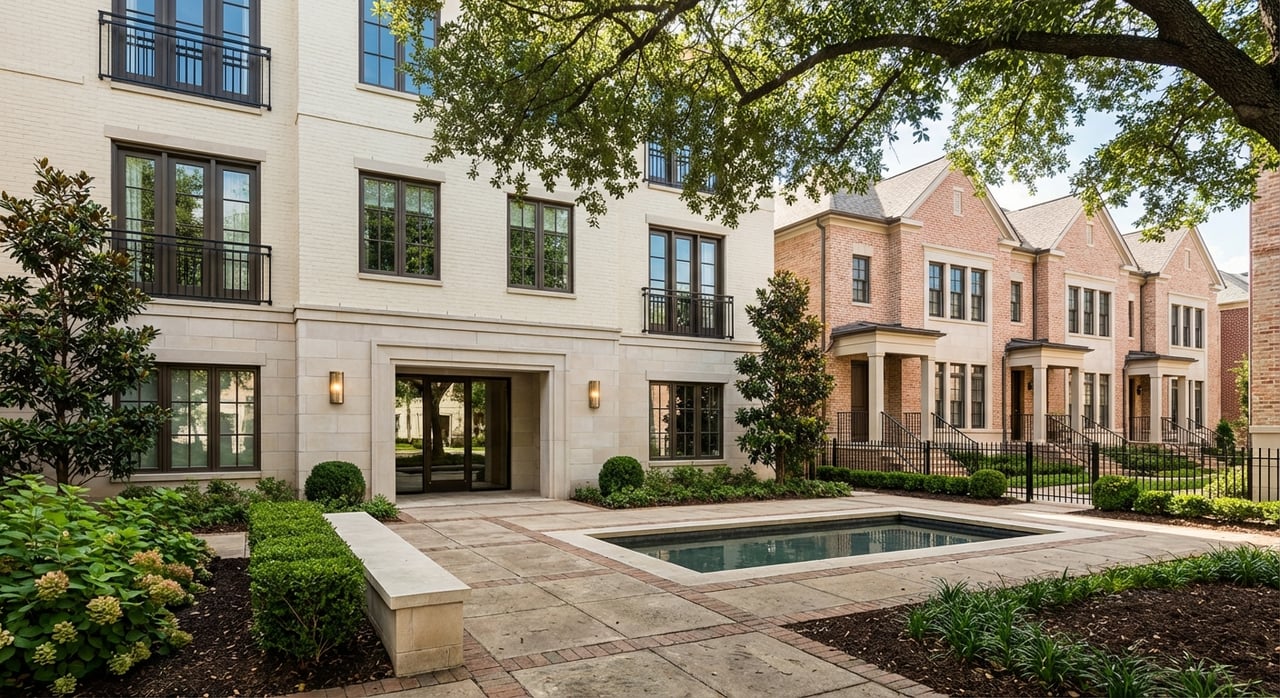
Midtown Raleigh Condo vs Townhome Living Guide
February 19, 2026
February 19, 2026
Torn between a sleek condo above the shops or a townhome with a bit of yard in Midtown Raleigh? You are not alone. North Hills offers both options, each with a different mix of convenience, ownership costs, and lifestyle. In this guide, you will learn how condos and townhomes differ around North Hills, what to check in the documents, and how to align the choice with your day‑to‑day life. Let’s dive in.
North Hills is a high‑amenity, mixed‑use district with retail, dining, offices, hotels, parks, and residential towers all within a walkable footprint. That mix creates a low‑maintenance, car‑light lifestyle many condo buyers want, with gyms, green spaces, and services steps away. Get a feel for the district’s layout and amenities by reviewing the official overview of North Hills by Kane Realty.
Because inventory inside the core is limited and product types vary, prices can look very different across buildings and nearby townhome pockets. Listings shift week to week, so use current comps and note whether a figure reflects condos, townhomes, or single‑family homes in the larger Midtown area.
Understanding how North Carolina law treats condos and townhomes will help you predict who pays for what.
North Carolina’s Condominium Act defines a condo as individual unit ownership with shared ownership of common elements. Associations can adopt budgets, collect assessments, and must maintain common elements as laid out in the recorded declaration and bylaws. You can review the statute in the North Carolina Condominium Act, Chapter 47C.
Many townhome communities operate under the Planned Community Act. Owners typically hold fee‑simple title to a lot and structure, while the HOA’s responsibilities depend on the recorded documents. See the North Carolina Planned Community Act, Chapter 47F for definitions and association powers.
In both setups, the recorded declaration and bylaws spell out the exact split of duties. Two adjacent townhome communities can allocate roof or exterior costs very differently. Always read the recorded documents early in due diligence so you know what you are signing up for.
In North Hills condo buildings, monthly dues commonly cover exterior and roof maintenance, elevators and building systems, landscaping, trash, insurance for common elements, security or concierge, and amenity upkeep. Fees vary by building age and amenity level. Annualize the fee and compare it to the value of what is covered.
Townhomes can range from no HOA at all to a robust HOA that handles exteriors and amenities. If the home is fee‑simple, you may be responsible for roof, siding, and yard unless the declaration shifts those items to the HOA. Confirm the maintenance matrix in the community’s recorded documents.
Healthy reserves help avoid surprise special assessments when big components age. Ask for the latest reserve study and current reserve balance, and compare funding to the study’s recommendations. For context on best practices, review this guide on reserve funding strategies.
Condo associations usually carry a master policy for the building and common elements. As an owner, you will typically carry an HO‑6 policy that covers walls‑in improvements and personal property. For townhomes, fee‑simple owners usually carry an HO‑3 or HO‑5 that insures the structure and contents. In either case, verify whether the master policy is all‑in or bare walls, how deductibles are allocated after a claim, and what your individual policy must cover.
Condos near the North Hills core often include fitness rooms, pools, concierge services, and covered parking, paired with short walks to dining and retail. Townhomes may trade those building amenities for private driveways or garages and multi‑level living. If you want active dining and errands within a quick walk, condos inside or adjacent to the Park District often deliver that convenience.
Condos typically offer balconies and shared amenity decks, with less private yard space. Townhomes usually provide a patio or small yard and fewer shared corridors, though they are still attached homes where some noise transfer can occur. Use plat maps and listing details to confirm which outdoor areas are private versus common.
Condo financing can be more sensitive to project eligibility. Some loan programs require project approval or certain owner‑occupancy and reserve thresholds. If you plan to use FHA or VA financing, confirm the project’s status early to avoid delays.
In a high‑amenity area like North Hills, well‑managed condos with strong amenities can resell well to professionals and rightsizers. Marketability is closely tied to HOA financial health, any rental caps, and lender program eligibility. New development also matters: several recent vertical projects in the district are rental‑first, which shapes condo supply and competition. For context on ongoing redevelopment, see this Axios update on North Hills towers and mixed‑use growth.
Request these items as early as possible. Use them to confirm responsibilities, costs, and risks before you are fully committed.
Red flags to watch: low or no reserves when roofs, siding, or elevators are nearing end of life; frequent or large special assessments; steep dues increases without clear budget drivers; pending litigation; high owner delinquency rates; or a master policy with an unusually high deductible.
If you are deciding between a condo and a townhome in North Hills, tailored advice will save you time and help you avoid hidden costs. From reviewing declarations and reserve studies to aligning lifestyle with location, you deserve a clear plan. For a curated, local strategy and private representation, connect with Michelle Mundra.
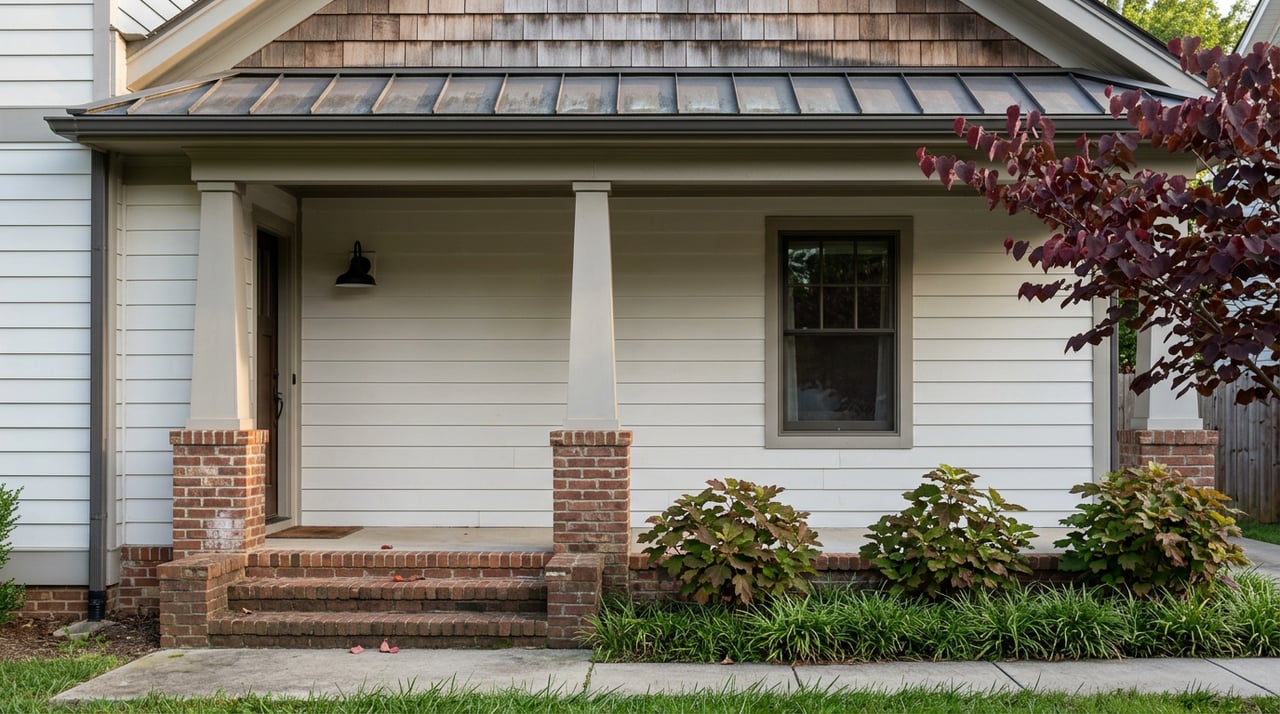
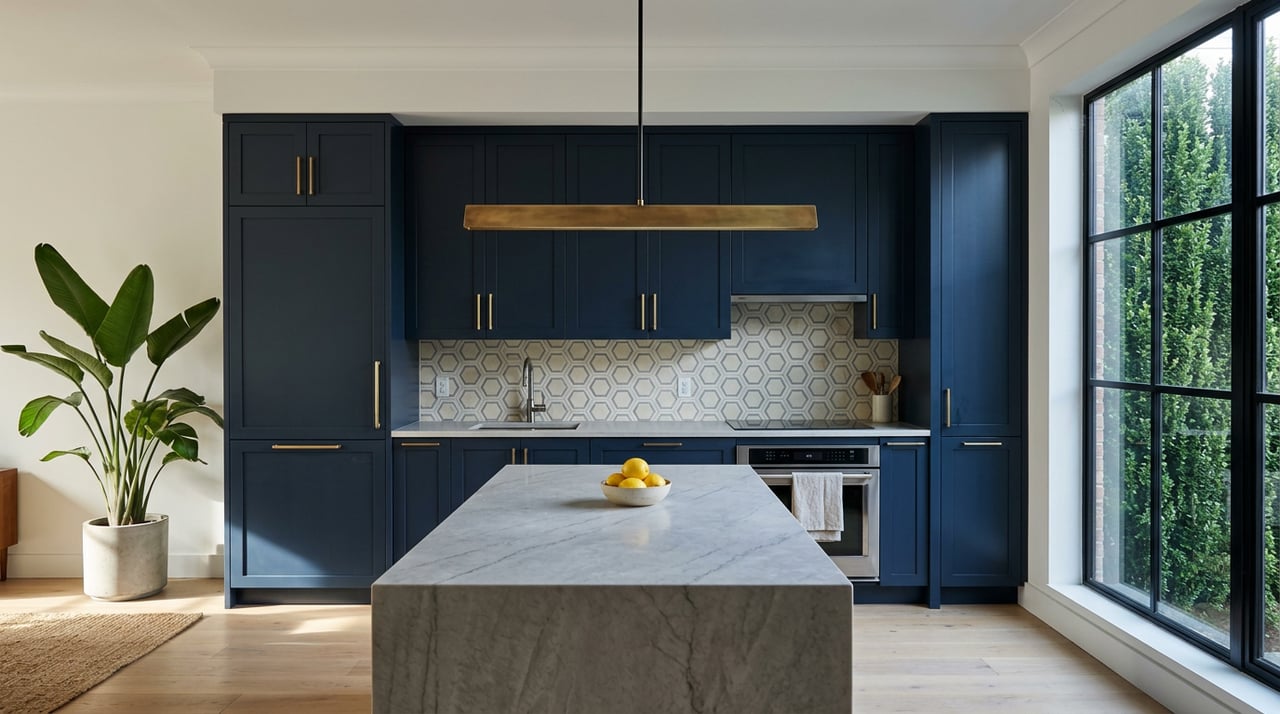
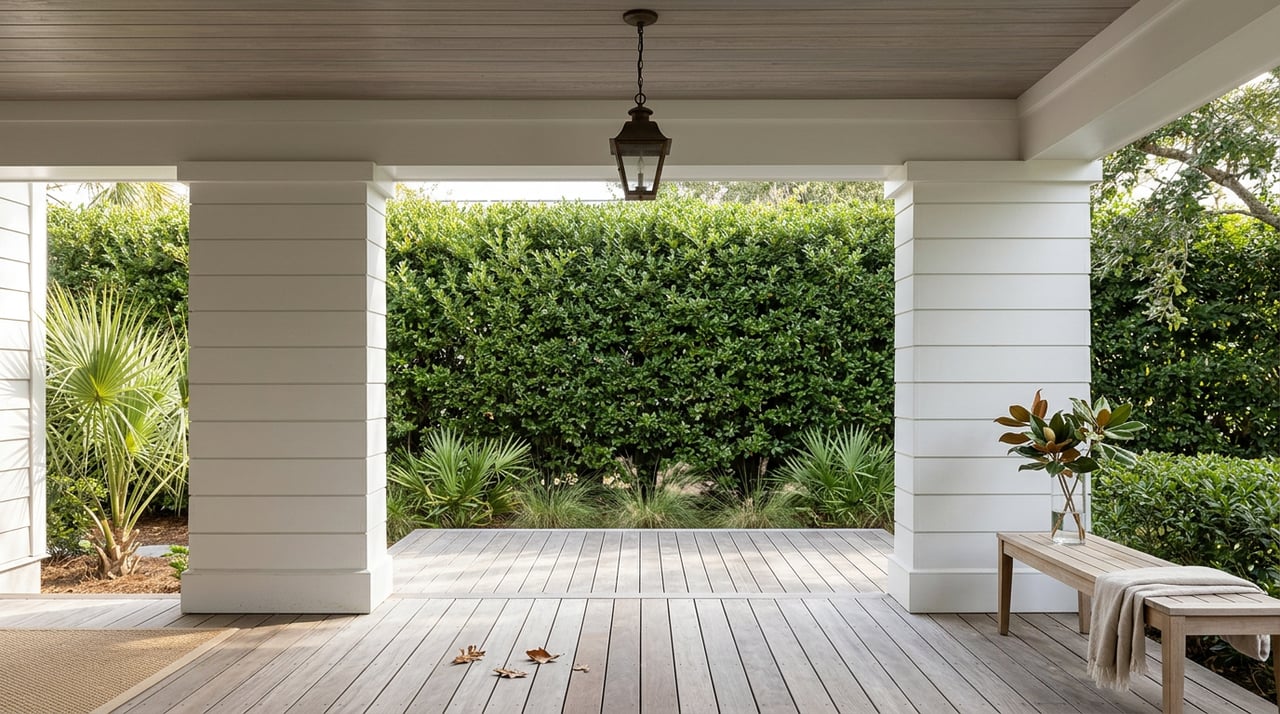


Looking to buy, sell, or invest in real estate? We're here to make your dreams a reality! Whether it's finding your perfect home, securing a lucrative investment property, or selling your current one, our dedicated team is ready to guide you every step of the way. Reach out to us today to start your journey towards your real estate goals!