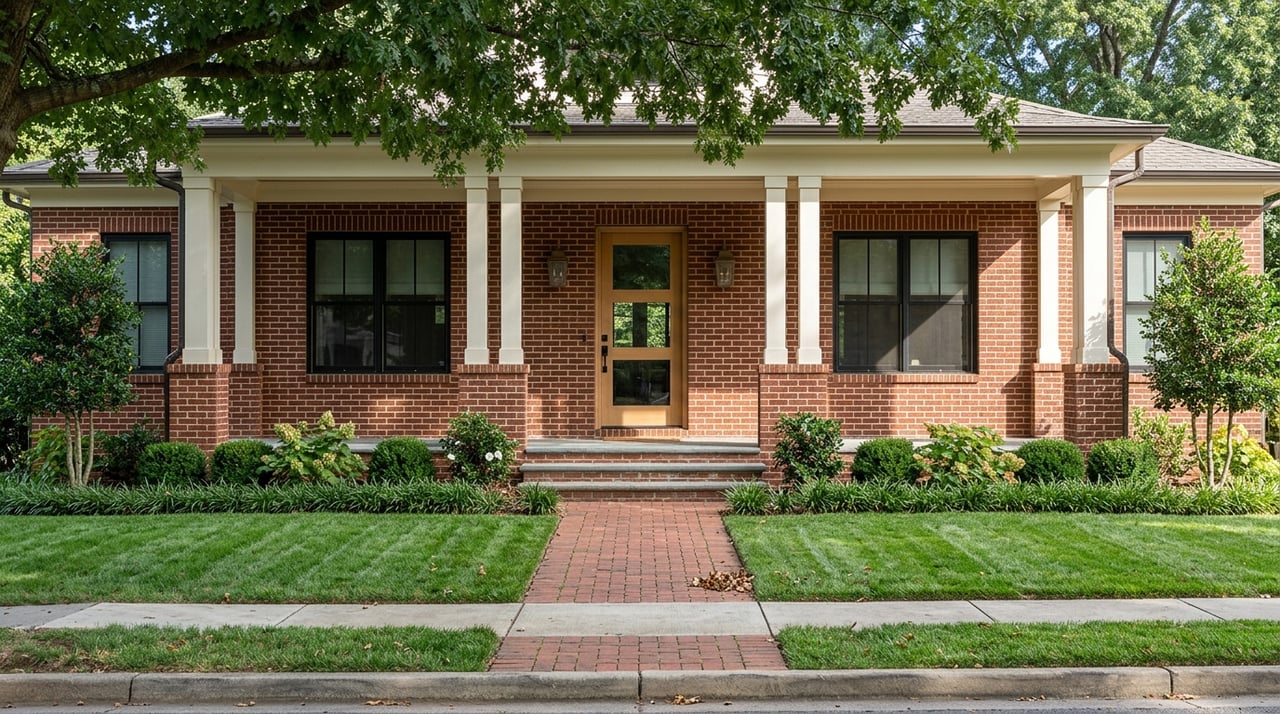
Are you aiming to list your Wake Forest home in about two months, without the stress and guesswork? You want top dollar, a smooth process, and a polished presentation that stands out online. This step-by-step plan lays out exactly what to do each week for 60 days, including local disclosures, permits, costs, staging, and marketing. Follow the timeline below to launch confidently and attract strong offers. Let’s dive in.
Why a 60-day plan in Wake Forest
Wake Forest sits within the greater Raleigh metro, where buyers often value commute options, neighborhood amenities, and usable outdoor space. Market conditions shift fast, so your strategy needs structure and flexibility. A clear 60-day plan helps you time repairs, staging, photography, and pricing based on the current climate.
For big-picture context about the town’s growth and housing patterns, consult U.S. Census QuickFacts for Wake Forest. For real-time pricing and demand signals, ask your agent for MLS-based comps and days on market, then cross-check with trend snapshots on Realtor.com, Redfin, and Zillow. Use this data to choose the best target list date, especially in spring and early fall when buyer traffic often increases locally.
Your 60-day listing timeline
Days 46–60: Planning and paperwork
- Hire a listing agent with Wake Forest neighborhood expertise. Ask for a comparative market analysis, pricing strategy, and a marketing plan with timelines.
- Order a title search and gather deed and tax records so you can resolve any liens early.
- Pull HOA documents and request the resale packet right away. Some associations take 7 to 14 business days or more.
- Collect utility bills and warranty documents for systems and appliances. Buyers appreciate clear records.
- Identify any known material defects and assemble documentation for required disclosures.
- Schedule a pre-listing home inspection if you want to uncover issues early and avoid surprises during buyer inspections.
- Start collecting contractor quotes for any significant repairs the inspection reveals.
Days 31–45: Repairs, inspections, and staging plan
- Prioritize safety and structural items first, such as roof leaks, HVAC performance, electrical, and plumbing.
- Tackle cosmetic updates that influence first impressions: fresh paint, flooring touch-ups, hardware swaps, and minor drywall repairs.
- If the inspection flags material items, decide whether to repair or price accordingly with your agent’s guidance.
- Choose your staging approach. A professional stager can tailor design to your target buyer profile.
- Book your photographer and optional 3D or floor plan provider for when staging and cleaning are complete.
- If work requires permits, check with Wake County Government for permitting and inspections before proceeding.
Days 15–30: Final touches and marketing production
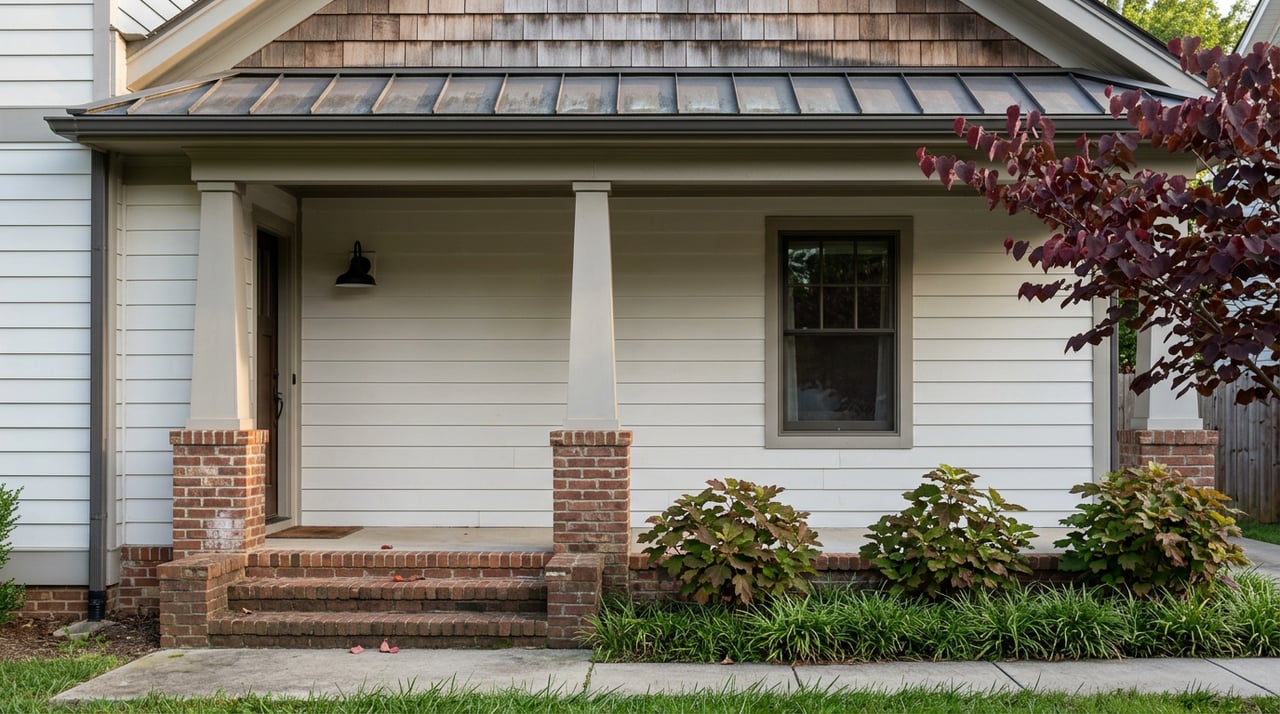
- Deep clean, declutter, and depersonalize. Complete curb appeal tasks like mulching, trimming, and pressure washing.
- Finish staging and schedule photography during optimal light. Consider twilight photos for higher-end properties.
- Draft your listing remarks, feature sheets, and MLS input. Highlight neighborhood strengths like parks and commuting options in neutral, factual terms.
- Prepare required North Carolina disclosure forms and decide if you will share any pre-list inspection reports.
- Set up showing logistics: lockbox, pet plan, and a daily checklist that keeps your home show-ready.
Days 0–14: Listing live and showing management
- Launch in the MLS with high-quality photos, floor plans, and a 3D tour link if available.
- Consider a broker open and, if suitable for your neighborhood, a public open house.
- Track showings and feedback. If activity lags after a week, reassess pricing or presentation with your agent.
- Review offers promptly. Talk through contingencies, inspection windows, and closing timelines before you sign.
- If you accept an offer with inspection contingencies, be ready to negotiate repairs or credits.
Know the rules and disclosures
Selling in North Carolina comes with specific disclosures. Review the NC Residential Property and Owners’ Association Disclosure Statement and any applicable owner association materials with your agent. The North Carolina Real Estate Commission provides forms and guidance to help you comply.
If your home was built before 1978, federal law requires a lead-based paint disclosure. Provide buyers with the EPA and HUD pamphlet and disclose known information. Learn more from the U.S. EPA lead-based paint disclosure page.
For any structural, electrical, plumbing, or HVAC work, confirm permit requirements with Wake County Government. Unpermitted work can complicate inspections and closing. If your property has a private well or septic system, check with the Wake County Health Department on transfer documents and any recommended testing.
Finally, verify title and any liens early with your title company and the Wake County tax office to prevent last-minute delays.
Pricing, staging, and marketing that work in Wake Forest
A smart pricing strategy starts with a current CMA of recent closed sales, plus active and pending competition. Adjust for updates, lot features, and micro-location factors. Small price differences can shift your listing into a different buyer pool, so align your list price with how buyers search in your area.
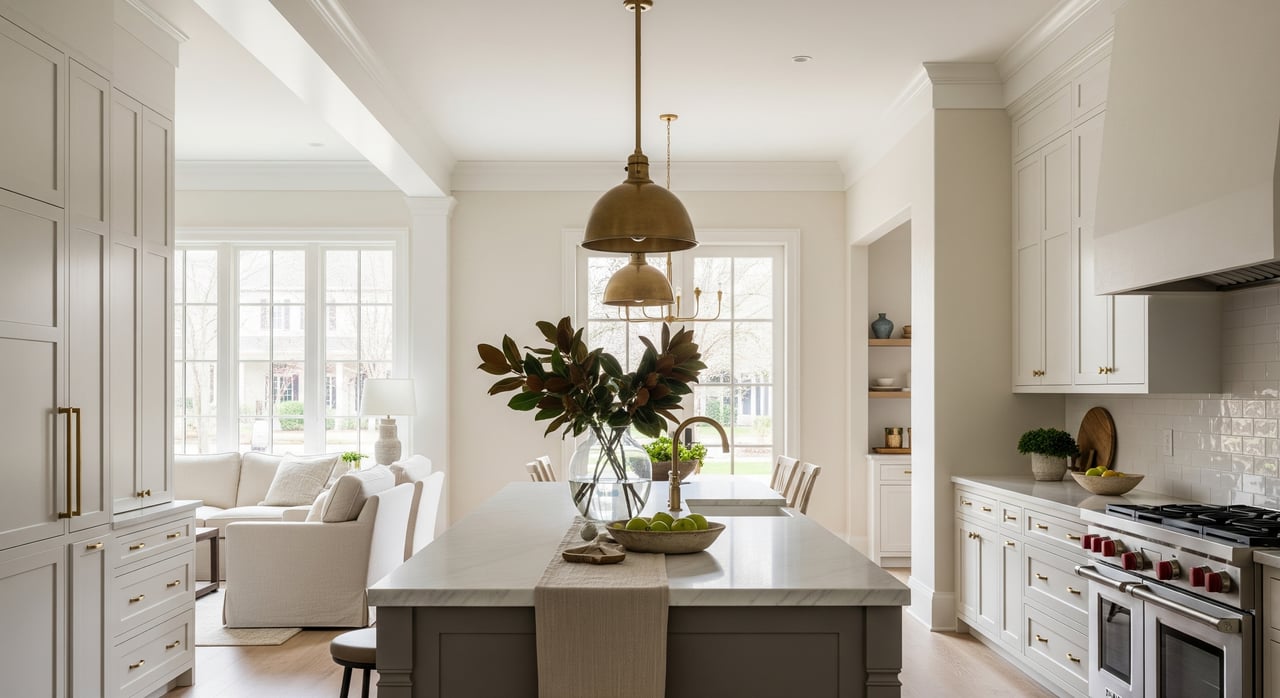
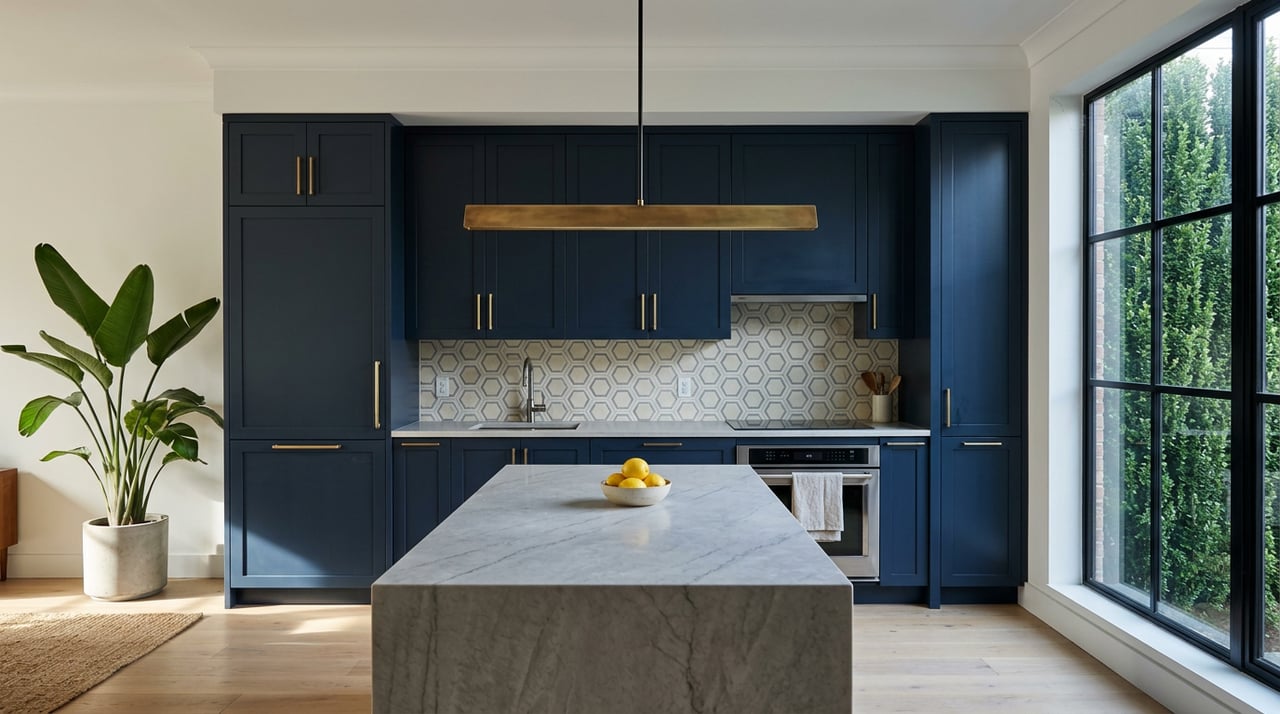
Staging and superior visuals are essential. Buyers start online, and first impressions directly impact showings. Resources from the National Association of Realtors point to higher engagement when homes are staged and photographed professionally. Consider floor plans and 3D tours to reach out-of-area buyers, which are common in the Triangle.
Use a multi-channel marketing mix: MLS exposure and syndication, targeted social ads, broker opens, and refined property collateral. For higher-end homes, elevate with a property website, premium video, and print feature sheets. During showings, secure valuables, remove prescriptions, and track feedback to adjust presentation or price.
Budgeting for prep: typical cost ranges
Every home and scope is different, so obtain local quotes. These typical U.S. ranges can help you plan:
- Pre-listing home inspection: $300 to $600
- Roof inspection: $150 to $400
- Termite or pest inspection: $50 to $200
- HVAC service or inspection: $75 to $200
- Minor repairs and cosmetic work: $200 to $2,500, depending on scope
- Professional photography: $150 to $400
- 3D tour or Matterport: $150 to $450
- Staging: virtual $50 to $150 per photo, partial $500 to $2,000, full $1,500 to $5,000+
- Deep cleaning: $150 to $400
- Landscaping and curb appeal refresh: $150 to $2,000
Quick checklists
Pre-listing inspection focus items
- Roof condition and any active or past leaks
- Gutters, downspouts, and drainage patterns
- HVAC age, service history, and performance
- Water heater age and function
- Electrical panel and visible wiring issues
- Plumbing leaks under sinks and at fixtures
Curb appeal wins
- Mow, edge, and trim hedges for a clean profile
- Refresh mulch and remove weeds
- Repaint or clean the front door and touch up trim
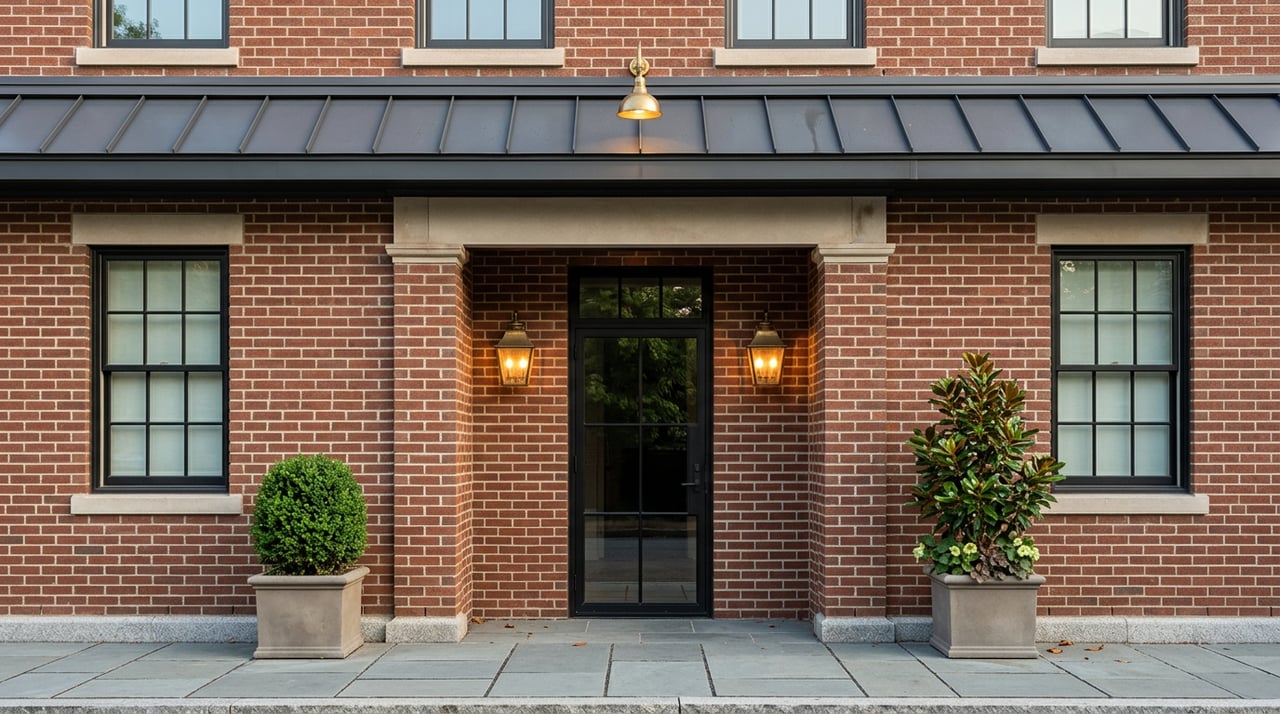
- Update house numbers and exterior lighting if dated
- Power wash siding, walkways, and driveway
Show-ready daily checklist
- Clear counters and bathroom surfaces
- Make beds and fold throws; store laundry
- Open blinds and turn on lights for brightness
- Empty trash and tidy entry mats
- Secure valuables and sensitive documents
- Plan for pets to be off-site during showings
When to go live
Spring and early fall often bring more showings across the Raleigh area, while late summer heat and autumn leaf drop can affect exterior maintenance and photography. Your agent should match timing to current MLS data, your neighborhood’s buyer pool, and your personal schedule. If your home shines and your price aligns with recent comps, you can create strong momentum in any season.
Work with a design-led local advisor
A focused plan, elevated presentation, and precise pricing help you sell with confidence. If you want a curated, design-driven strategy paired with senior-agent negotiation, you will benefit from boutique representation and luxury-level marketing. For a tailored 60-day plan and a pricing conversation specific to your home in Wake Forest, connect with Michelle Mundra. Request a Luxury Home Valuation.
FAQs
What disclosures are required to sell a home in North Carolina?
Should I get a pre-listing inspection in Wake Forest?
- Yes, it is recommended because it helps uncover material issues early, informs pricing and repairs, and can reduce surprises during a buyer’s inspection.
How early should I order my HOA resale packet?
- Order it as soon as you decide to list, since some associations take 7 to 14 business days or longer to prepare a complete resale package.
Do I need permits for pre-listing repairs in Wake County?
- Structural, electrical, plumbing, and HVAC work often require permits and inspections; confirm requirements with Wake County Government before starting.
When is the best time to list in Wake Forest?
- Timing depends on current MLS trends and your home’s condition, but spring and early fall typically bring higher buyer activity in the Raleigh area; use local data plus your agent’s guidance to choose your launch window.
How much should I spend on pre-listing repairs?
- Prioritize safety and structural items first, then tackle high-ROI cosmetic fixes within a reasonable budget; consult your agent to align work with neighborhood expectations and price bands.