CMA Explained: How Agents Price Homes in Midtown
January 15, 2026
January 15, 2026
Pricing your North Hills home starts long before the sign goes in the yard. In Midtown’s fast-moving market, the number that attracts buyers and maximizes your outcome comes from a clear, data-backed process called a comparative market analysis. If you want a price that reflects real buyer behavior right now, a CMA is your most reliable guide. In this guide, you’ll learn exactly how agents build CMAs for North Hills, what influences value on your block, and how design-forward presentation can lift you into a higher pricing band. Let’s dive in.
A comparative market analysis is a market-based estimate of what a typical, motivated buyer would pay for your property today. It blends recent sales, current competition, and the specific features and condition of your home.
A CMA is different from an appraisal and from automated valuations. Appraisals follow standardized methods for lenders. Automated tools rely on broad data. A CMA is built by your agent using current local evidence and on-the-ground context, which is essential in a micro-market like North Hills.
Agents rank comparables by how “real” they are in showing buyer behavior:
In North Hills, proximity to the Midtown core and retail nodes matters. The best comps are in the same condo building, townhome row, or immediate street cluster with similar walkability, elevation, and traffic exposure. A quiet internal street can price differently than a busy frontage near Six Forks or Glenwood. Adjacency to parks, commercial parcels, views over plazas versus courtyards, and parking allocation also influence value.
Agents prioritize recency to match market speed. In an active submarket, the window may be 30 to 90 days. In balanced conditions, 3 to 6 months is common. If the market slows, the window can extend up to 12 months, with trend adjustments to reflect pricing movement since the sale date.
Like is compared to like. Single-family homes are compared to similar single-family homes, townhomes to townhomes, and condos to condos. If inventory is thin, cross-type comparisons are possible, but they require larger adjustments and careful explanation.
You typically see 3 to 8 primary comps, weighted toward closed and pending data, plus several active listings. Behind the scenes, your agent may test more properties to confirm sensitivity and support the final pricing band.
Agents translate differences using two complementary approaches:
The best practice is to reconcile both methods and lean on paired sales when available. Paired sales compare two very similar homes where one key feature differs, such as a renovated kitchen. That difference helps reveal a realistic adjustment amount.
Adjustments reflect the way buyers assign value in North Hills:
Not all comps are equal. Your agent will assign more weight to properties that are physically closest, most similar in type and features, and most recent. Closed and pending sales take priority over active listings, which are useful to map buyer choices and pricing ceilings.
In North Hills, buyers often focus on walkability to shopping, dining, and entertainment. Homes with easy access to Midtown nodes can command a premium compared with those that require a drive.
Quiet interior streets, private orientations, and buffered edges away from heavy traffic can improve perceived value. Exposure to noise from major corridors or commercial activity can limit price unless offset by other features.
Monthly fees and what they include factor into buyer calculations. Strong amenity sets and well-managed associations support buyer confidence. Higher fees without meaningful services can require price adjustments to stay competitive.
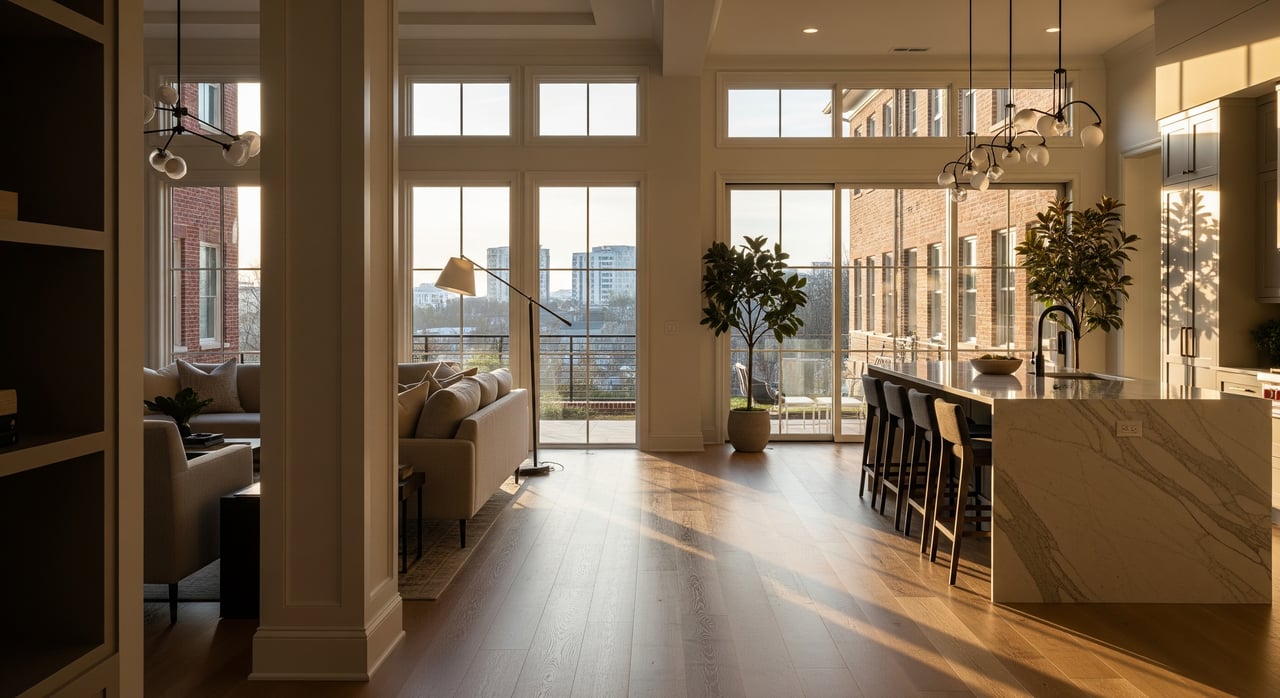
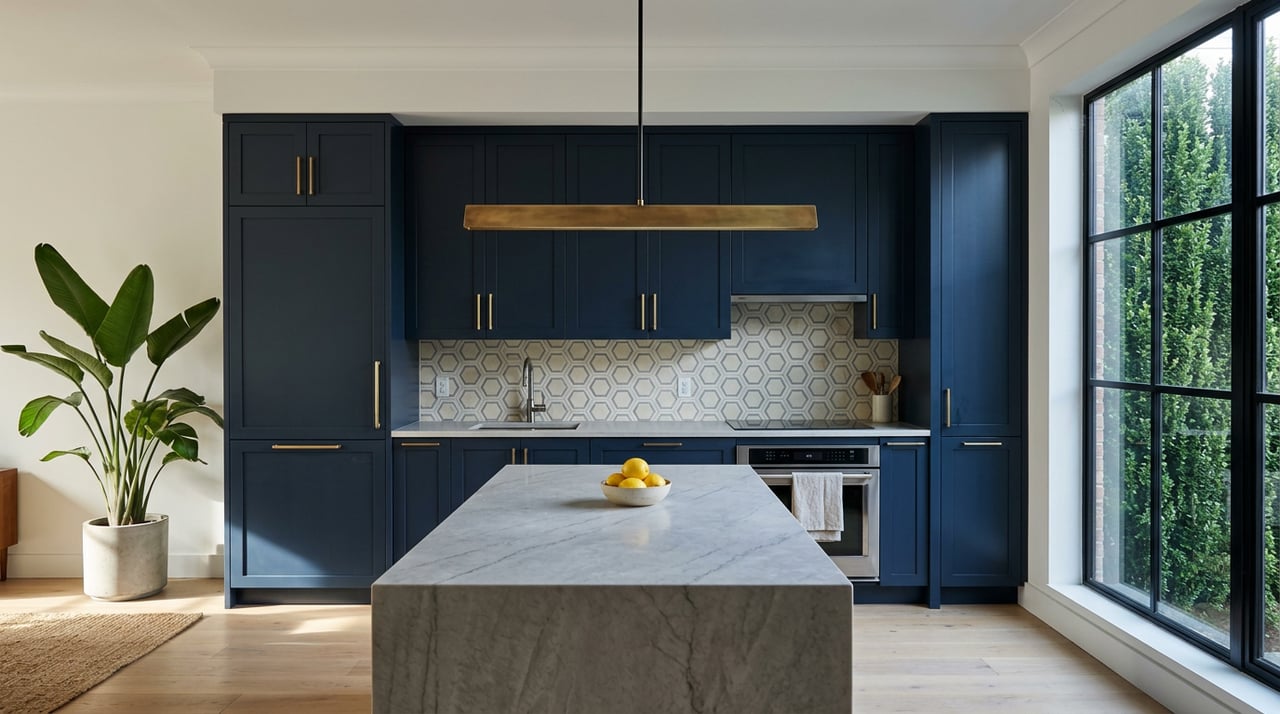
Design-forward presentation can move a home from one pricing band to the next. High-impact areas include kitchen and bath finishes, flooring quality, and lighting. Fresh paint, trim updates, and minor repairs create a polished first impression. Professional staging and photography, including virtual tours, increase buyer engagement and can shorten time on market.
Agents commonly model three approaches:
Design investments can help you climb a band. The right upgrades can reposition your home from “comparable to current inventory” to “above average for the submarket.” Your agent will balance likely uplift with cost, demand patterns, and timing.
Paired sales help quantify the dollar impact of specific improvements. Early-showing feedback and online metrics such as saves and tour requests are used to refine pricing after launch. If the market responds faster or slower than expected, your agent will adjust strategy to protect momentum.
A complete CMA package typically includes:
Even the best CMA includes a margin of error. Unique features, market velocity, or limited comps can widen the range. Your agent should present scenarios that set expectations for pricing, likely timelines, and how marketing tactics support each option.
Gather these items before your pricing meeting to maximize accuracy:
North Hills can have thin same-building or same-block comps at times. A skilled agent widens the radius in small steps or uses carefully chosen cross-type comps. Larger adjustments and clear explanation help you understand the tradeoffs, and timeframes may shift based on how unique the property is.
Pricing well means aligning market data, micro-location nuance, and presentation that resonates with Midtown buyers. If you want a refined plan that blends valuation with design-forward marketing, connect with Michelle Mundra to request a tailored CMA and a high-touch strategy for your North Hills sale.
Looking to buy, sell, or invest in real estate? We're here to make your dreams a reality! Whether it's finding your perfect home, securing a lucrative investment property, or selling your current one, our dedicated team is ready to guide you every step of the way. Reach out to us today to start your journey towards your real estate goals!