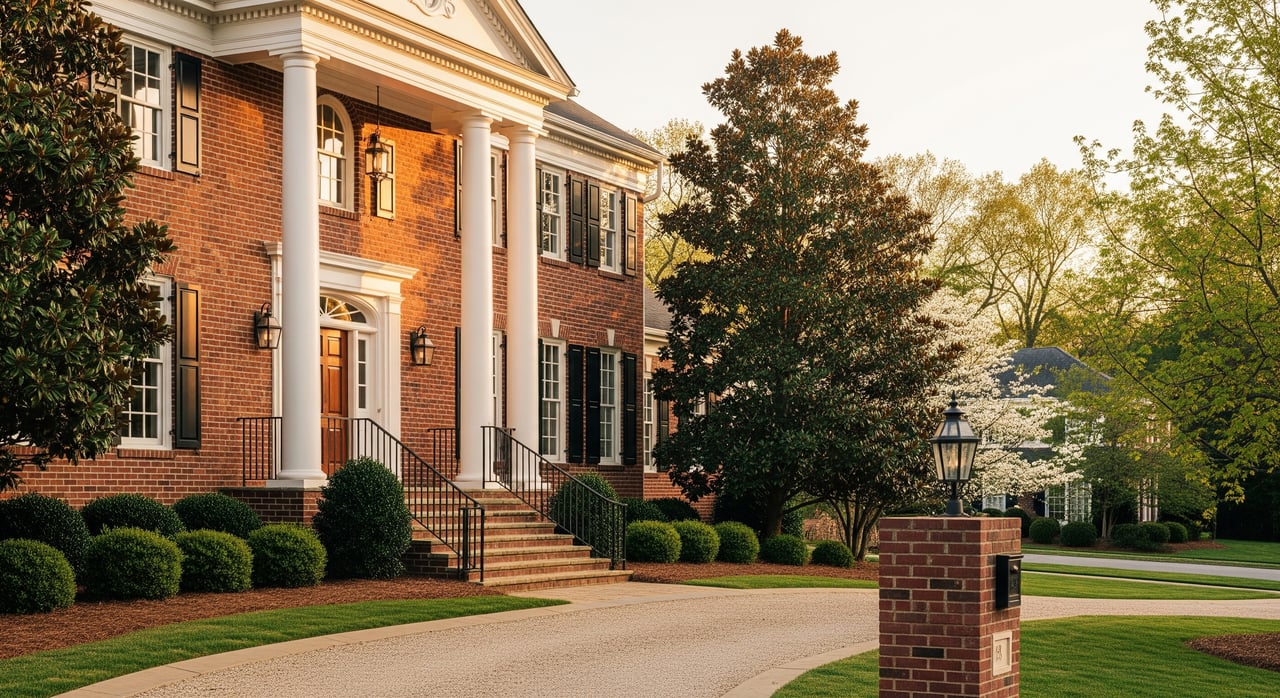
Appraisal Gaps in Raleigh NC: What Buyers Should Know
January 22, 2026
January 22, 2026
Worried your dream home in Raleigh might appraise for less than your offer? You are not alone. In a fast, competitive market, many buyers face appraisal gaps that can change the math right before closing. This guide explains what an appraisal gap is, why it happens in Wake County, and the practical ways you can respond so you stay competitive without taking on unnecessary risk. Let’s dive in.
An appraisal gap happens when the appraised value is lower than your contract price. Lenders base the loan amount on the appraised value, not the price you offered, so a shortfall can increase the cash you need or force a renegotiation.
A licensed appraiser completes the report under standards known as USPAP. If you want to understand the framework behind appraisals, review the Appraisal Foundation’s guidance on the Uniform Standards of Professional Appraisal Practice. You can also learn about North Carolina appraiser licensing and consumer protections through the North Carolina Appraisal Board.
Appraisals influence your loan-to-value ratio, down payment, private mortgage insurance, and final loan approval. Conventional lenders follow agency rules from Fannie Mae and Freddie Mac, and government loans have additional program rules at HUD for FHA and the U.S. Department of Veterans Affairs for VA.
Local patterns can vary by neighborhood and price band. Close-in areas, redeveloping corridors, and some new-home communities see more bidding pressure. If you want to study broader trends and public records, explore Wake County property data on Wake County’s website or city planning resources on the City of Raleigh site.
Your lender sets the maximum loan based on the appraised value. If the appraisal is lower than the contract price, your loan amount may drop and your required cash at closing can rise. The appraisal result can also affect mortgage insurance and whether your loan still meets program rules. Lenders must follow agency or program guidance, including Fannie Mae, Freddie Mac, HUD for FHA, and VA for VA loans.
Below are common responses when the appraisal comes in under the contract price. The right move depends on your loan type, cash reserves, and contract contingencies.
You can pay the difference between the contract price and the appraised value, in addition to your planned down payment. This keeps the deal on track and maintains your lender’s required loan-to-value ratio. The risk is paying above appraised market value, which can affect future refinancing or resale if prices soften.
Ask the seller to reduce the price to the appraised value or split the gap. This can work when sellers value a smooth closing. In a multiple-offer situation, sellers may be less willing to adjust.
Some buyers include an appraisal-gap clause that commits to covering a shortfall up to a set dollar amount. This signals strength and can help win offers. The language should be precise about how the funds apply. Have your agent and, if needed, an attorney review the clause to avoid confusion.
You can remove or limit the appraisal contingency to make your offer more competitive. This is higher risk because you reduce or remove your right to cancel based on a low appraisal. Discuss this carefully with your lender and agent before you consider it.
Through your lender, you can request a reconsideration of value by submitting additional comparable sales, corrections, or overlooked details. Some lenders may order a second appraisal or a desk review. Options depend on the loan program and lender rules under Fannie Mae, Freddie Mac, FHA, or VA. Results vary and timelines matter, so start quickly if you go this route.
FHA and VA loans have program-specific appraisal and property standards set by HUD and VA. The remedies, timelines, and allowed concessions can differ from conventional loans. Ask your lender to outline what is possible for your specific program.
Cash buyers are not required to obtain a lender appraisal, but many still order an appraisal or a broker opinion to understand value. Cash removes lender constraints but does not remove market risk if you overpay.
Use this quick list to prepare before you submit an offer in a competitive Wake County neighborhood.
If the numbers do not pencil out, stepping back can be the smartest financial move. A low appraisal is a signal from the market’s recent data. If covering the gap would drain reserves or compromise future plans, it may be better to pause and watch for the right fit. The next listing could align better with both your lifestyle and your budget.
If you are weighing these choices, thoughtful preparation and strong guidance can make all the difference. For calm, senior-level advice on offer strategy and negotiation across Raleigh and Wake County, connect with Michelle Mundra.




Looking to buy, sell, or invest in real estate? We're here to make your dreams a reality! Whether it's finding your perfect home, securing a lucrative investment property, or selling your current one, our dedicated team is ready to guide you every step of the way. Reach out to us today to start your journey towards your real estate goals!