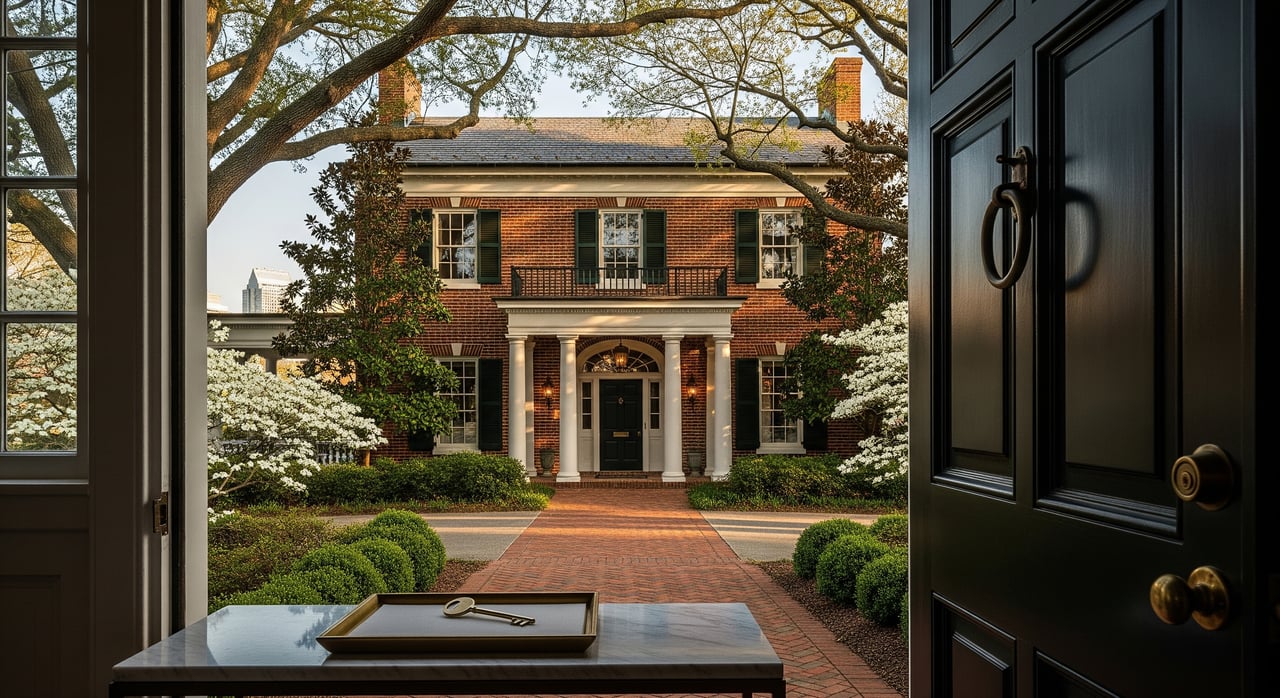
Understanding the North Carolina Offer Process as a Buyer
January 1, 2026
January 1, 2026
Are you relocating to Raleigh and hearing terms like due diligence fee, earnest money, and attorney closing for the first time? You are not alone. North Carolina’s offer process looks different from many other states, and knowing those differences can save you time, stress, and money. In this guide, you will learn how offers work here, how to structure a strong bid in Wake County, and what to expect from contract to closing. Let’s dive in.
The Due Diligence Fee is a negotiated, typically non-refundable payment you make to the seller at contract signing. In return, you receive an exclusive Due Diligence Period to investigate the home, secure financing, review documents, and decide whether to proceed. You can terminate for any reason during this window.
This fee compensates the seller for taking the property off the market. It also gives you flexibility to do your homework without competing buyers in the wings. In competitive Raleigh neighborhoods, the fee amount and the length of your Due Diligence Period are key levers for a winning offer.
You typically pay the fee to the seller when the contract is executed. The length of the Due Diligence Period is negotiated and runs for a set number of days stated in the contract. Common practice ranges from about 7 to 30 days, adjusted to fit your inspection and financing needs.
If you terminate during the Due Diligence Period, the seller typically keeps the Due Diligence Fee. If you close, the fee is commonly credited toward the purchase price at settlement, as specified in the contract.
Most states do not use a separate due diligence fee. Texas has a similar concept called an option fee, but the details differ. If you are moving from a state that relies only on contingencies and earnest money, plan for this additional fee in North Carolina and treat it as money you are likely putting at risk if you walk away during due diligence.
Earnest Money is a separate deposit that shows good faith. It is typically held in a broker trust account or by the closing attorney, depending on the contract selection and local practice.
If you terminate in line with the contract’s rights, such as during the Due Diligence Period, Earnest Money is typically returned to you. If you default outside of the contract’s protections, the seller may be entitled to keep some or all of it, depending on the agreement.
There is no universal amount. Deposits vary based on price point, market conditions, and negotiation. In hotter Wake County submarkets, buyers often increase earnest deposits to signal seriousness alongside a strong Due Diligence Fee. Your agent can advise on norms for your segment.
In North Carolina, attorneys commonly handle settlement services. They prepare or review documents, coordinate with the lender, manage the settlement statement, disburse funds, and record the deed and mortgage. Title insurance is common, and attorneys often work in tandem with title providers.
In many states, independent title or escrow companies run closings without a separate attorney role. In North Carolina, an attorney closing is customary and often preferred by lenders, so you should expect to interact with an attorney’s office during the process.
Plan for attorney fees and related closing costs as part of your transaction. Your lender will provide a Closing Disclosure prior to settlement so you can review cash to close, credits, and fee details.
The Due Diligence Period is negotiated. Many buyers in the Raleigh area target 10–14 days when possible, though 7–30 days is common. Inspections, contractor visits, appraisals, and document reviews should be scheduled immediately after contract acceptance to make the most of this window.
A typical closing timeline is about 30–45 days from contract, depending on loan type, appraisal turn times, and agreed dates. Start to finish, many buyers receive keys within 30–60 days, with market conditions and negotiation shaping the exact pace.
North Carolina’s offer structure rewards strategy. The right mix of Due Diligence Fee, Earnest Money, and timing can be the difference between winning and missing out. If you want guidance tailored to Raleigh and Wake County, connect with a trusted local expert. For curated, senior-level representation and thoughtful negotiation, reach out to Michelle Mundra.


Looking to buy, sell, or invest in real estate? We're here to make your dreams a reality! Whether it's finding your perfect home, securing a lucrative investment property, or selling your current one, our dedicated team is ready to guide you every step of the way. Reach out to us today to start your journey towards your real estate goals!