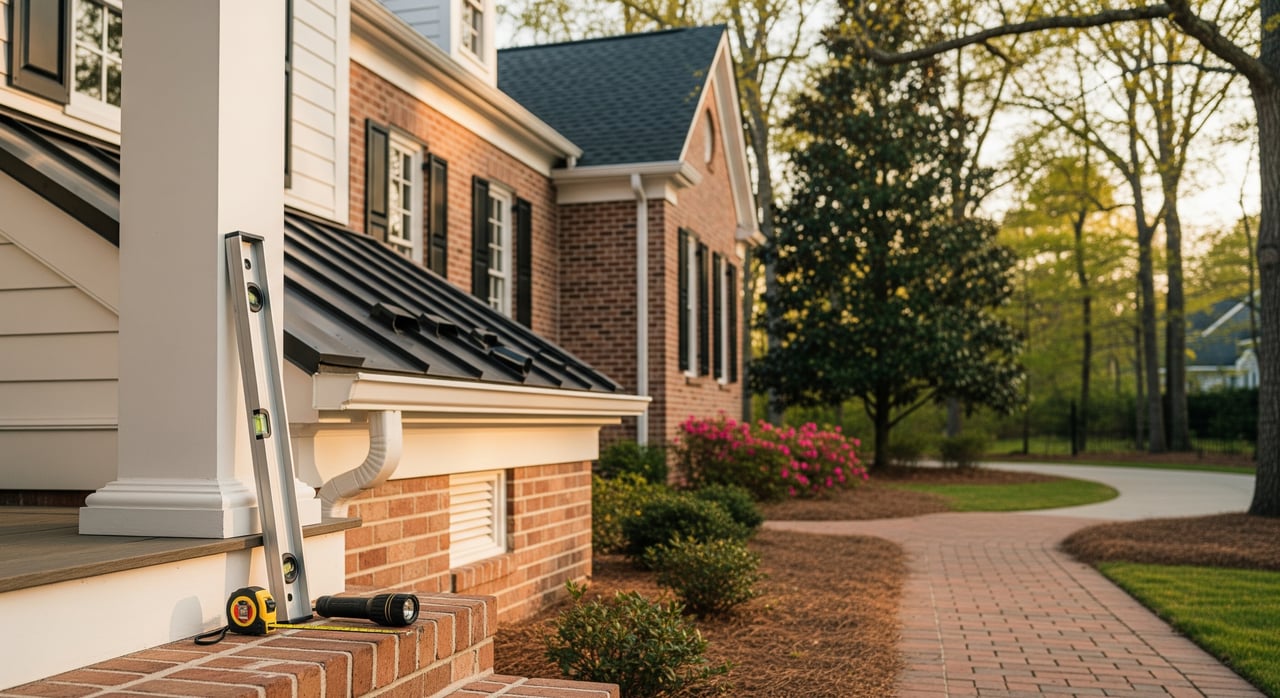
Wake Forest Home Inspection Guide for Buyers
January 8, 2026
January 8, 2026
Buying a home in Wake Forest is exciting, but the inspection can feel like the most uncertain step. You want clarity on what to check, what it costs, and how to protect your position during North Carolina’s due diligence period. This guide breaks down the process in simple terms so you can move forward with confidence, from choosing inspections to using your report in negotiations. Let’s dive in.
In North Carolina, most buyers negotiate a due diligence period to complete inspections and other checks. This window is often 7 to 14 days, but the timing is negotiable. During this period, you can usually terminate under the contract’s terms, so it is vital to understand your exact deadlines.
Review your specific contract language, often on NC standard forms, with your agent or attorney. Calendar every task the moment your offer is accepted. Fast action gives you time for specialty tests, repair estimates, and any follow-up inspections before the window closes.
A licensed home inspector provides a visual review of the structure and major systems. The inspection typically covers the roof and attic, exterior, foundation or crawlspace, electrical service and major circuits, visible plumbing, heating and cooling systems, built-in appliances, and safety items. You receive a written report with photos and a clear list of concerns, often grouped by safety or major defects versus maintenance.
Plan to attend if you can. You will learn how systems work, see issues firsthand, and ask questions in real time. A good inspector will point out both urgent repairs and small maintenance items that help you budget for ownership.
Wake Forest sits in a warm, humid climate with seasonal heavy rains. Drainage and grading matter. Look for proper downspout extensions, soil sloping away from the foundation, and signs of ponding.
Many area homes have crawlspaces, where ventilation, vapor barriers, and moisture control are key. Standing water and high humidity can lead to rot and wood-destroying organisms. Termites and wood rot are common concerns, so keep an eye on wood near soil and any evidence of prior treatment.
Heat pumps are common for HVAC. Note age, maintenance, and installation quality. Roofs can show storm wear from wind or hail, and shingles typically last about 15 to 25 years depending on material and conditions. Large trees near the home may impact sewer laterals. For some properties, confirm floodplain status and insurance implications. Older homes may involve vintage wiring or original mechanicals that merit specialist review. If there is an HOA, confirm any rules that affect exterior repairs or changes.
Inspection pricing varies by size, age, and complexity. Typical ranges for single-family homes include:
Schedule the general inspection within 24 to 72 hours after acceptance. Most inspections take 2 to 4 hours on site. Many inspectors deliver the written report within 24 to 72 hours. Radon tests require 48 to 96 hours to run, and specialist appointments can add a few days. Build your timeline around the due diligence deadline.
Your report is both a safety check and a roadmap for negotiations. Common outcomes include proceeding with no major findings, asking the seller to address select repairs, requesting a credit or price change, or walking away during the due diligence period if the issues are significant.
Focus on safety and major systems first, such as the roof, HVAC, electrical, septic, or active termites. Get written estimates for big-ticket items to support requests. Sellers can agree to complete repairs, offer a credit, reduce the price, or decline. If repairs are agreed to, request receipts, permits, and warranties where applicable, and consider a re-inspection for critical items.
In Wake Forest, structural, electrical, and major HVAC or plumbing work typically requires permits. Confirm permit requirements with local authorities. Keep all decisions within your due diligence window to protect your rights under the contract.
A well-run inspection process gives you clarity and negotiation leverage. If you want help sequencing inspections, prioritizing findings, and negotiating smartly within North Carolina’s due diligence timeline, reach out. Our team can connect you with vetted local inspectors, coordinate specialty testing, and guide repair or credit strategies so you can buy with confidence. Connect with Michelle Mundra to get started.
Looking to buy, sell, or invest in real estate? We're here to make your dreams a reality! Whether it's finding your perfect home, securing a lucrative investment property, or selling your current one, our dedicated team is ready to guide you every step of the way. Reach out to us today to start your journey towards your real estate goals!