Wondering when to list your Wake Forest home so it sells quickly and for strong terms? Timing plays a bigger role than most sellers realize, and the calendar in our market follows a clear rhythm. You want the right buyers to see your home at the right moment, with a plan that fits your move. In this guide, you’ll learn the best listing windows in Wake Forest, how seasonality actually works here, and practical timelines to help you prepare with confidence. Let’s dive in.
Quick answer: best listing windows
Most years, the strongest buyer demand in Wake Forest arrives in spring, roughly March through May. Listing in early spring often means a larger buyer pool, more showings, and the potential for faster results. If you want to close before the new school year, listing between April and June positions you for July or August closings.
You still have options outside spring. Late summer and early fall can work well with smart pricing and polished presentation. Late fall and winter typically bring fewer buyers but also less competition, which can help if you need a precise closing date or prefer motivated buyers.
If you want to move before school starts
- Aim to list in April through June to allow time for showings, inspections, and financing.
- Target an accepted offer by mid-June or early July to close in late July or August.
- Build in buffer time for appraisals and any repair negotiations.
If you want maximum market exposure
- List in March through May.
- Use February and early March for prep: staging, professional photos, and a pre-list inspection if needed.
- Expect healthy buyer activity and competing listings, so pricing and presentation matter.
If you must list in winter
- Expect fewer showings but potentially more serious buyers.
- Elevate photography, lighting, and warm staging to stand out.
- Budget extra time on market and be ready to negotiate around timing and terms.
How seasonality plays out in Wake Forest
Spring: March to May
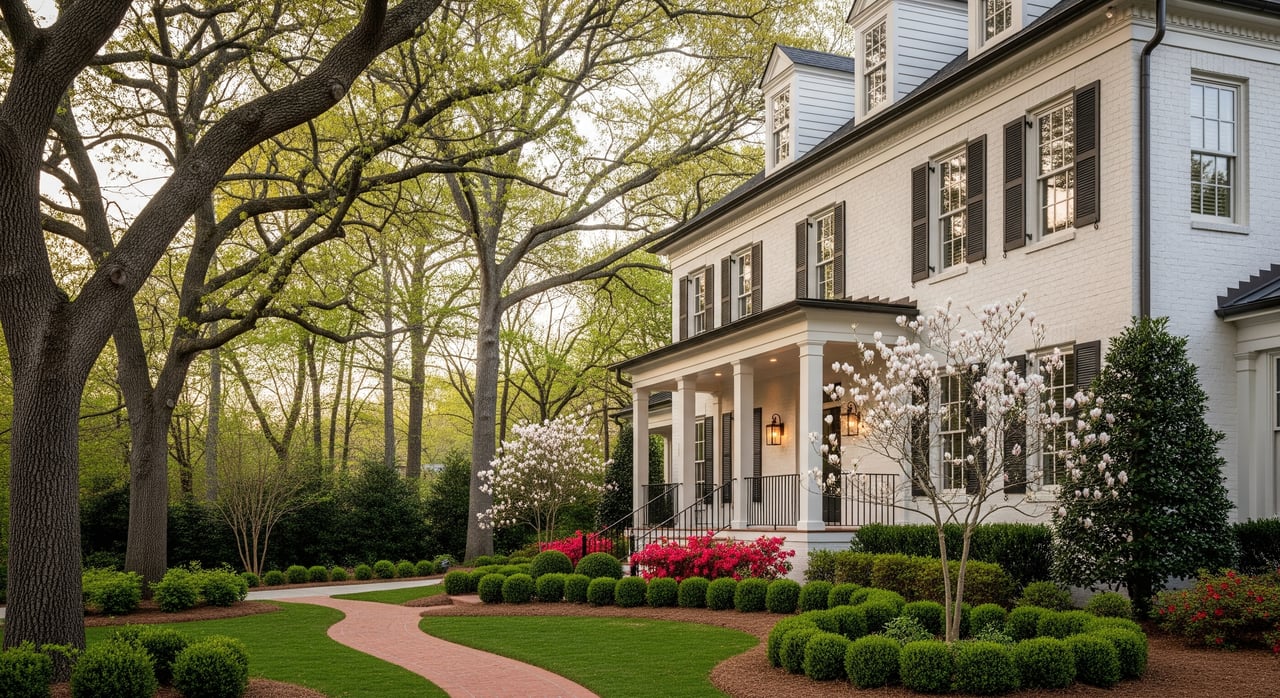
Spring combines better weather, blooming curb appeal, and buyers who want to move by summer. Sellers benefit from a larger buyer pool and a higher chance of multiple offers. Competition among listings is also higher, so pricing strategy and presentation are key.
Early summer: June to July
You still capture family-driven moves and relocation cycles in early summer. Inventory can remain elevated, but motivated buyers are active. Many of these buyers target closings in July or August.
Late summer to early fall: August to October
Demand typically softens compared to spring, though some buyers re-enter the market after summer travel. Fall buyers often have specific timelines and can be more price sensitive. Sharper pricing and thoughtful seasonal staging help you stand out.
Late fall and winter: November to February
There are fewer buyers, and days on market can be longer. That said, there is usually less competition from other listings. Buyers at this time often have pressing reasons to move, which can support clear timelines and serious offers.
Week-by-week launch plan
Pick your day to go live
Many agents favor midweek launches so the listing feels fresh heading into weekend showings. This approach helps you build early momentum and gather feedback fast. Your ideal day can vary by neighborhood and buyer behavior, so align with current local analytics.
Match your photos to the season
- Spring: schedule daytime photos when the garden is in bloom and the sky is clear.
- Summer: consider twilight photos for warm evening appeal. Keep interiors cool for showings.
- Fall: leverage foliage and softer light for inviting curb appeal.
- Winter: maximize natural light, and use a warm color palette in staging.
Check the calendar and forecast
Review local event calendars, graduation dates, and homecoming weekends that may affect showings. Also keep an eye on rain patterns or strong storms. Wake Forest’s summers are hot and humid, and while hurricane season can bring uncertainty, inland effects are usually limited compared with the coast.
Wake Forest factors that influence timing
New construction competition
Wake Forest continues to attract growth, and new-home developments are a factor in many micro-markets. Compare your pricing and presentation with builder offerings and incentives. If builders are releasing a lot of inventory in your area, coordinate your timing and positioning to stay competitive.
Family timelines and school calendars
Many buyers with school-age children aim for summer moves. If you want to appeal to that segment, list early enough in spring to allow for showings, inspections, and financing before July or August closings. Keep language neutral and focus on calendar timing rather than ratings or preferences.
Commutes and corporate transfers
Demand in Wake Forest often tracks employment hubs in Raleigh and Research Triangle Park. Relocation activity can peak in spring and late summer, so listings during these periods may reach motivated buyers with set move dates.
Neighborhood micro-markets
Older areas near downtown and newer subdivisions can behave differently. Compare months of supply, days on market, and list-to-sale price ratio by neighborhood, not just the town as a whole. Your launch window should align with your micro-market’s real-time trends.
Data to check before you list
Work with current, local metrics rather than a one-size-fits-all month. Before setting your list date, review:
- New listings, pending sales, and closed sales by month for the last 12 to 36 months.
- Median days on market and months of inventory.
- List-to-sale price ratio and price per square foot.
- Active listings near you, including new-construction supply and incentives.
- Mortgage rate trends for added context on buyer demand.
Triangle MLS is the primary source for accurate, neighborhood-level data in Wake Forest. Pair MLS metrics with local planning updates, school calendars, and tax timelines to fine-tune your launch plan.
30-60-90 day seller timeline
90 days out: plan and evaluate
- Order a comparative market analysis with the most recent monthly data.
- Decide on your target closing window and work backward to set a listing date.
- Walk the property with a design-led eye to identify updates that matter.
- Gather quotes for repairs, or decide if an as-is strategy fits your goals.
60 days out: prep and schedule
- Tackle high-ROI maintenance: paint touch-ups, power washing, and landscaping.
- Book professional staging and photography, timed to your home’s best seasonal look.
- Consider a pre-list inspection to eliminate surprises.
- Coordinate your launch day and showing plan.
30 days out: polish and pre-market
- Finalize pricing based on current MLS comps and active competition.
- Complete any light improvements, deep cleaning, and styling.
- Capture photos, video, and twilight images if appropriate.
- Prepare marketing assets and confirm showing logistics.
Season-specific prep checklists
Spring: March to May
- Fresh mulch and early-season flowers for instant curb appeal.
- Clean gutters, wash windows, and power-wash walkways and siding.
- Stage with light, fresh textures and greenery.
- Schedule photography on a bright day during peak bloom if possible.
Summer: June to August
- Maintain lawn and irrigation; trim shrubs for tidy edges.
- Keep interiors cool and comfortable for showings.
- Consider sunset or twilight photos for warm ambiance.
- Provide booties or mats to keep floors pristine.
Fall: September to November
- Stay on top of leaf removal and yard cleanup.
- Add warm accents to staging, such as layered textiles and soft lighting.
- Highlight energy efficiency if heating costs matter to buyers.
- Time photos to capture foliage.
Winter: December to February
- Maximize daylight for photos and showings.
- Use warm color palettes and lighting to create an inviting feel.
- Keep walkways clear of debris.
- Offer flexible showing times to accommodate shorter daylight hours.
Pricing and presentation by season
- Spring: competitive pricing paired with elevated presentation can create early urgency. Ensure your listing outshines nearby options.
- Early summer: align pricing with current inventory and relocation timelines, and offer a clear path to a July or August close.
- Late summer to early fall: refine pricing and use tailored staging to meet more price-sensitive buyers.
- Late fall to winter: lead with photography and warmth. Consider incentives tied to closing timelines if it supports your goals.
Day-of-week and timing tips
- Go live midweek so your listing builds interest before the weekend.
- Time photos for the best light and landscape conditions.
- Monitor showings in your first 72 hours and adjust quickly if feedback suggests a pricing or presentation tweak.
Local logistics and seller requirements in NC
- North Carolina typically requires a Residential Property Disclosure Statement for resale transactions. Confirm your specific obligations before launch.
- Wake County property tax schedules can affect proration at closing. Verify dates and plan your closing accordingly.
- If you are considering capital gains implications, discuss the timing with a qualified tax advisor based on your occupancy and tax situation.
Bottom line for Wake Forest sellers
If you want maximum exposure, plan for a spring list date. If your target is a summer move, list in April through June to close by July or August. If your timing lands in late summer, fall, or winter, you can still succeed with the right pricing, design-led presentation, and a strategy tailored to your micro-market. The best results come from matching the season with your goals and real-time MLS data.
Ready to pick the right window and build a polished launch plan? Connect with Michelle Mundra to align timing, pricing, and presentation for a confident sale.
FAQs
What is generally the best month to list a Wake Forest home?
- Spring months, typically March through May, usually bring the strongest buyer activity, though your exact timing should be guided by current neighborhood-level MLS data.
How do I time a listing to close before school starts in Wake Forest?
- List between April and June to allow for showings, inspections, and financing, aiming for an accepted offer by mid-June or early July to close in late July or August.
Does listing in winter hurt my sale price in Wake Forest?
- Winter often has fewer buyers and longer days on market, but there is also less listing competition; outcomes depend on inventory levels and pricing strategy at that time.
Does the day of the week matter for launching my listing?
- Many sellers benefit from a midweek launch so the home feels fresh for weekend showings; confirm with local analytics for your neighborhood’s pattern.
How does new construction in Wake Forest impact my listing timing?
- Builder releases and incentives can influence buyer choices; compare pricing and plan your launch around periods when competing new-home inventory is manageable in your area.